
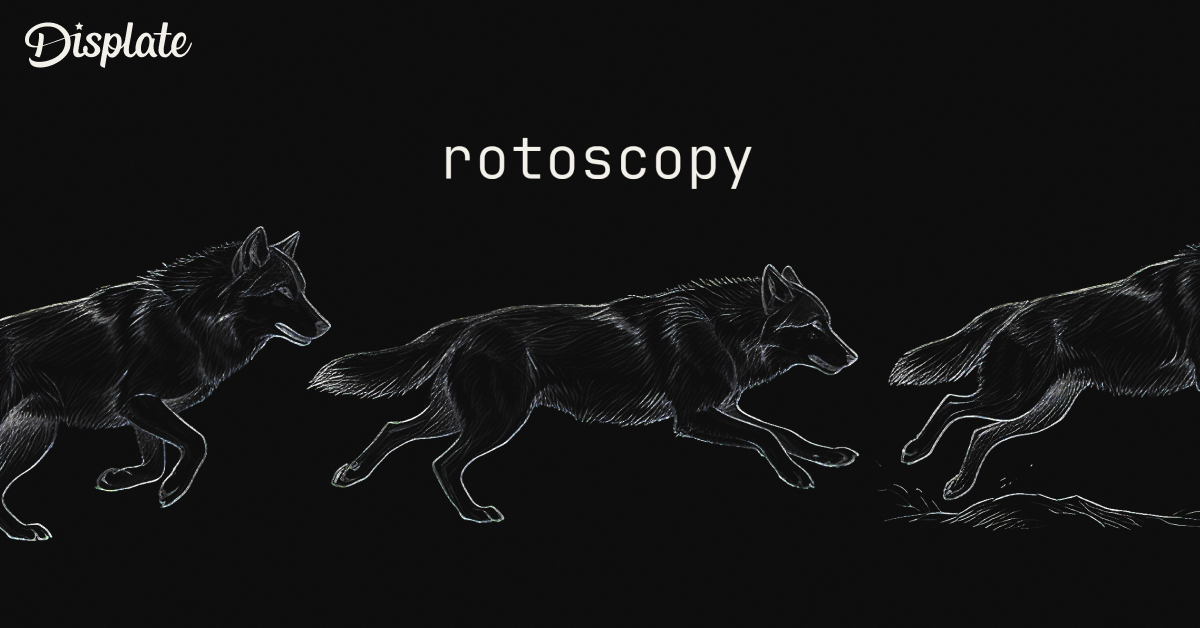
Video game art styles have evolved dramatically over the decades, driven by advances in technology and developers’ desire to create more immersive worlds. Among the many techniques used to bring games to life, rotoscope animation stands out for its distinctive blend of realism and artistry.
By tracing live-action footage frame by frame, developers were able to create fluid, lifelike character movements long before motion capture became commonplace. The technique helped shape some of gaming’s most iconic titles and remains an influential art style today. In this installment of our Gaming Art Styles series, we’re exploring the history of rotoscoping, how it works, and the games that made it famous.
Rotoscope History
Long before motion capture became commonplace in video games, developers were looking for ways to make character movement feel more realistic. To achieve this, many turned to rotoscoping, an animation technique that had already been used in film for decades.
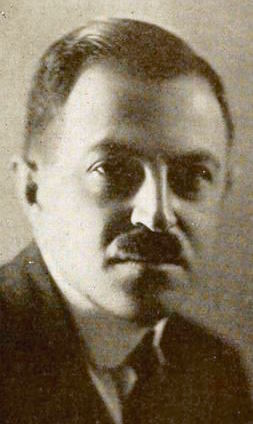
Rotoscoping involves tracing live-action footage frame by frame to recreate realistic movement. The technique was developed by brothers Max and Dave Fleischer in 1915 and patented in 1917. Using a device called a rotoscope, animators projected filmed footage onto glass and drew over each frame to create animated sequences with natural-looking motion.
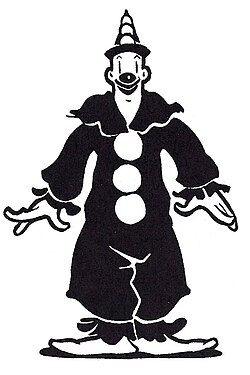
The first rotoscoped character was Koko the Clown, whose movements were based on footage of Dave Fleischer performing in costume. The technique quickly became popular in animation and visual effects, with one of the most famous examples appearing in the original Star Wars trilogy, where artists used rotoscope techniques to create the iconic glow of lightsabers.
Unlike many traditional game animations of the era, rotoscoped characters often move with a natural weight and fluidity that can feel surprisingly realistic. This cinematic quality helped early games stand apart from their contemporaries and remains one of the defining characteristics of rotoscope animation today.
As video games evolved, developers adopted rotoscoping to bring a similar level of realism to their characters, helping to create some of the medium’s most memorable animations.
Rotoscoping your Prince

Let’s jump forward to one of the most famous uses of rotoscope animation in video game history. A major advocate of the technique was game designer Jordan Mechner, who used rotoscoping extensively while developing Karateka (1984). To create realistic combat animations, he traced the movements of his karate instructor frame by frame.
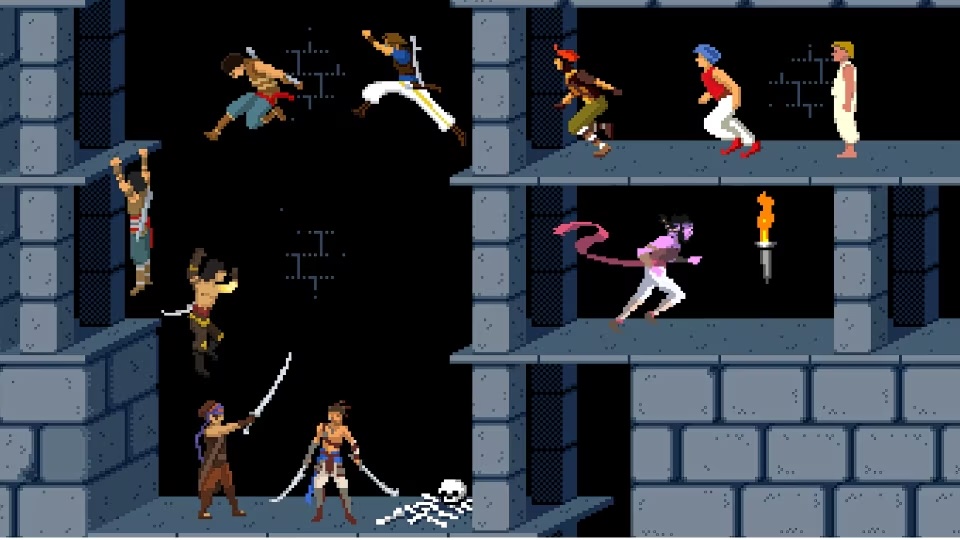
Mechner expanded on this approach in his best-known game, Prince of Persia (1989). Drawing inspiration from One Thousand and One Nights, Raiders of the Lost Ark, and classic Robin Hood adventures, he filmed his younger brother performing the Prince’s movements before tracing the footage. Running, jumping, climbing, and other actions were all based on real-life performances, helping the game achieve a level of fluidity rarely seen at the time.
For the game’s sword-fighting sequences, Mechner also studied scenes from The Adventures of Robin Hood (1938), using the choreography as a reference for the Prince’s duels. The result was one of the most recognizable examples of rotoscoping in video games. For many players, the game’s fluid animation felt unlike anything else available at the time, helping establish the cinematic platformer genre and influencing developers for years to come.
Last Train Home
The pinnacle of rotoscope animation in gaming can be seen in The Last Express (1997). Inspired by the Art Nouveau movement, the adventure game used the technique more extensively than many of its predecessors to create realistic character movements and a distinctive visual style.
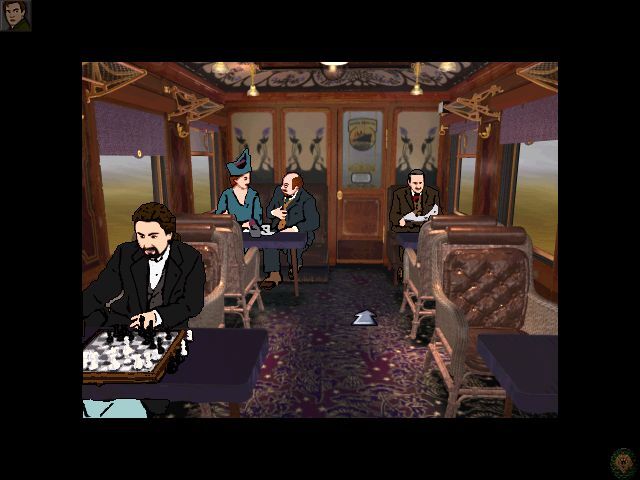
Over a 22-day period, every action in the game was performed by actors wearing period costumes in front of a blue screen. Developers then selected individual frames from the footage, removed the original colors, added black outlines, and coloured each frame by hand.
The result was a unique blend of realism and artistry that demonstrated just how far rotoscoping in video games could be pushed before motion capture technology became the industry standard.
Rotoscope Animation in Modern Games
Although motion capture has largely replaced rotoscoping in mainstream game development, the technique continues to influence developers today. Many of the principles pioneered in classic games have been embraced by indie studios looking to recreate the cinematic feel and realistic movement of earlier titles.
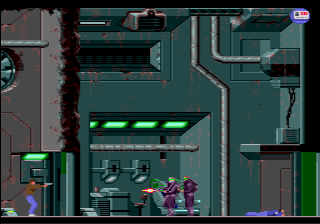
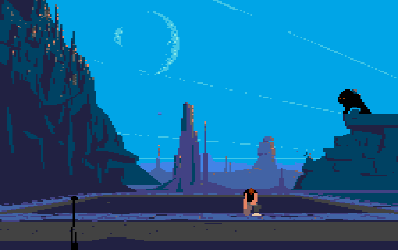
Games such as Another World (1991) and Flashback (1992) helped establish rotoscoping as a defining feature of the cinematic platformer genre, combining fluid character animation with atmospheric storytelling. Their influence can still be seen decades later in modern releases.

One notable example is LUNARK (2023), a sci-fi platformer inspired by the visual style and movement of 1990s classics. By using rotoscope animation techniques, the game captures the same sense of realism and cinematic action that made its predecessors so memorable.
While the technology behind game development has evolved dramatically, rotoscoping remains an enduring art style. Its distinctive blend of realistic movement and handcrafted animation continues to appeal to developers looking for an alternative to photorealistic graphics, proving the technique still has a place in modern gaming.
Bring Gaming Art into Your Space
Rotoscope animation may have started as a practical way to create realistic character movement, but its influence extends far beyond animation alone. The technique helped define some of gaming’s most distinctive visual experiences, blending cinematic storytelling, artistic craftsmanship, and memorable character design.
From fantasy adventures and cinematic platformers to sci-fi worlds and retro gaming classics, the art styles associated with rotoscoped games continue to inspire players, artists, and developers today. Their unique combination of realism and artistry remains a defining part of gaming culture.
Whether you’re drawn to classic gaming aesthetics, atmospheric sci-fi landscapes, or iconic video game characters, explore Displate’s collection of gaming posters and celebrate the artistry behind some of gaming’s most memorable worlds.
FAQs
What is rotoscope?
A rotoscope is a device originally used by animators to project live-action footage onto a surface so it could be traced frame by frame. Today, the term is often used to describe the animation technique itself, known as rotoscoping.
What is the meaning of rotoscope animation?
Rotoscope animation is a technique where artists trace over live-action footage frame by frame to create realistic movement. It has been used in film, animation, and video games to produce fluid character motion that closely resembles real-life movement.
What is the difference between tracing and rotoscoping?
Tracing typically involves copying a single image or illustration, while rotoscoping involves tracing a sequence of moving images frame by frame. The goal of rotoscope animation is to recreate realistic movement and motion rather than reproduce a static image.

