
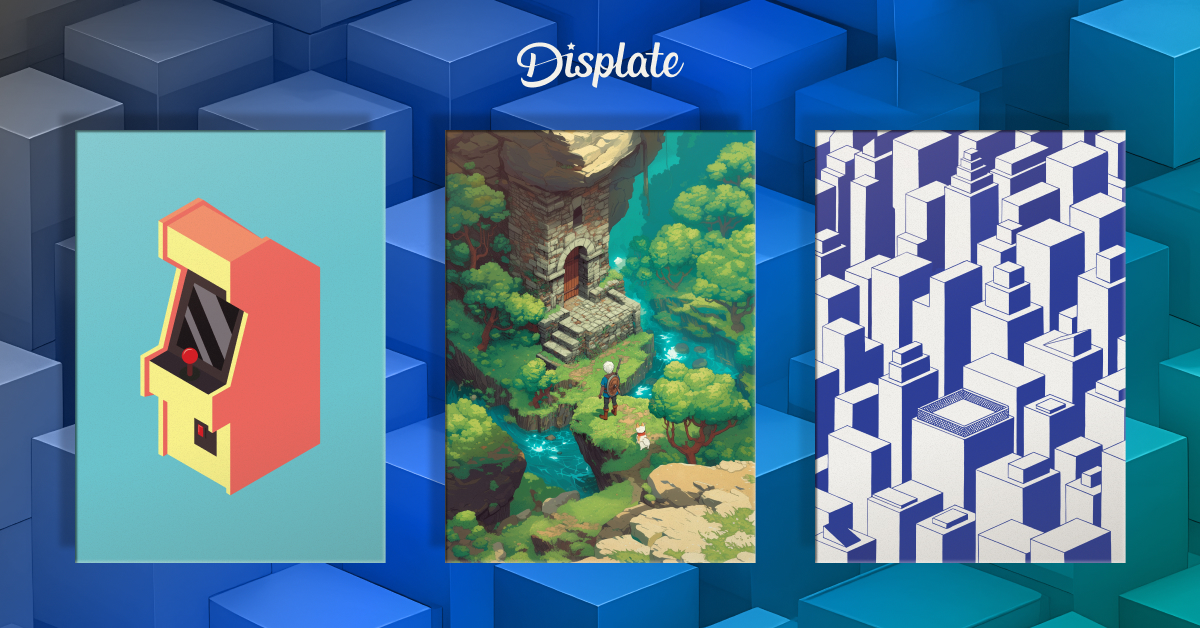
Welcome to another installment of Gaming Art Styles, where we explore the visual techniques that helped shape the games we know and love today.
In our previous entry, we looked at rotoscoping, the animation technique popularized by Prince of Persia. This time, we’re stepping back into the early days of gaming to explore isometric graphics, one of the industry’s most influential visual innovations.
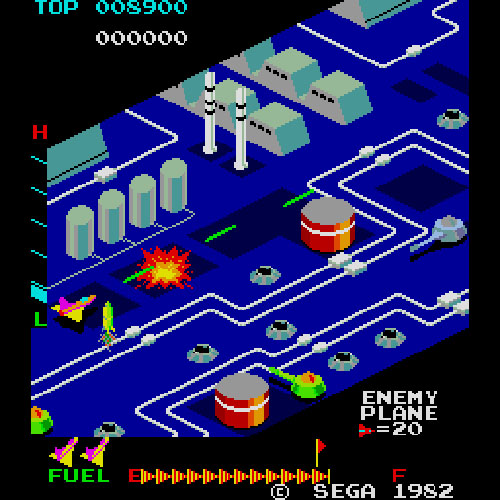
Long before modern 3D engines became standard, developers were finding creative ways to build richer, more immersive worlds. One of the earliest breakthroughs came in 1982 with Sega’s Zaxxon, a pioneering arcade shooter that used an isometric viewpoint to create a sense of depth unlike anything many gamers had ever seen before.
The technique would go on to influence decades of game design, appearing in everything from arcade classics and strategy games to some of the most beloved RPGs ever made. Let’s take a closer look at how isometric graphics work and why they became such an important part of gaming history.
What Are Isometric Graphics?
Isometric graphics are a visual technique that makes flat, two-dimensional environments appear three-dimensional. By using an angled viewpoint, developers could show more of the game world than a traditional top-down or side-scrolling perspective, creating a greater sense of depth and scale.
In early isometric games, the effect was usually achieved without true 3D rendering. Instead, clever positioning and angled environments created the illusion of depth, making worlds feel bigger and more immersive than traditional 2D games could manage at the time. In Zaxxon, for example, the player’s ship could move behind environmental objects, helping to create a convincing sense of space and making the action feel more dynamic.
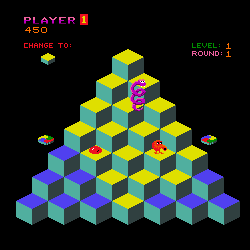
Following Zaxxon, other early isometric games quickly emerged, including Q*bert (1982), Congo Bongo (1983), and Ant Attack (1983). The next major leap came with Knight Lore (1984) on the ZX Spectrum, a game that helped establish many of the foundations of the action-adventure genre.
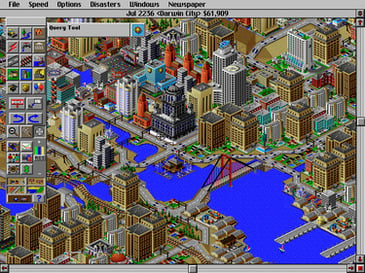
By the ‘90s, isometric graphics had become one of gaming’s most popular visual styles. Some of the decade’s most influential games, including Diablo (1996), SimCity 2000 (1993), and Civilization II (1996), used the perspective to create detailed worlds while keeping gameplay easy to read and navigate. RPG fans quickly embraced the style too. Games such as Fallout (1997) and Baldur’s Gate (1998) helped establish isometric RPGs as one of the defining genres of the late 1990s. Around the same time, Japanese RPGs such as Tactics Ogre showcased just how flexible and engaging the perspective could be.
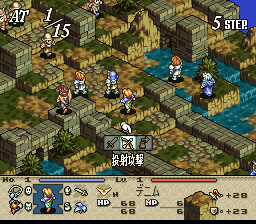
For many players, these games proved that you didn’t need cutting-edge 3D graphics to build memorable worlds. Great art direction, smart design, and a strong sense of atmosphere were more than enough to leave a lasting impression.
Why Are Isometric Graphics Still Popular?
One of the biggest strengths of isometric graphics is clarity. The angled perspective gives players a wider view of the game world, making it easier to spot enemies, plan strategies, and navigate complex environments. Whether you’re exploring a dungeon, managing a city, or commanding an army, having a clear view of the action is a major advantage.
The style is also known for aging remarkably well. Rather than chasing photorealism, many isometric games rely on strong art direction and carefully crafted environments. For developers, isometric graphics offer a practical middle ground between 2D and full 3D design. The perspective can create rich, detailed worlds without requiring the same level of technical complexity as fully three-dimensional environments, helping studios focus on atmosphere, gameplay, and world-building.
There’s also a strong sense of nostalgia attached to the style. Many players grew up with isometric RPGs, strategy games, and city-builders, and that familiar perspective still carries a certain charm.
Modern Isometric Games Keeping the Style Alive
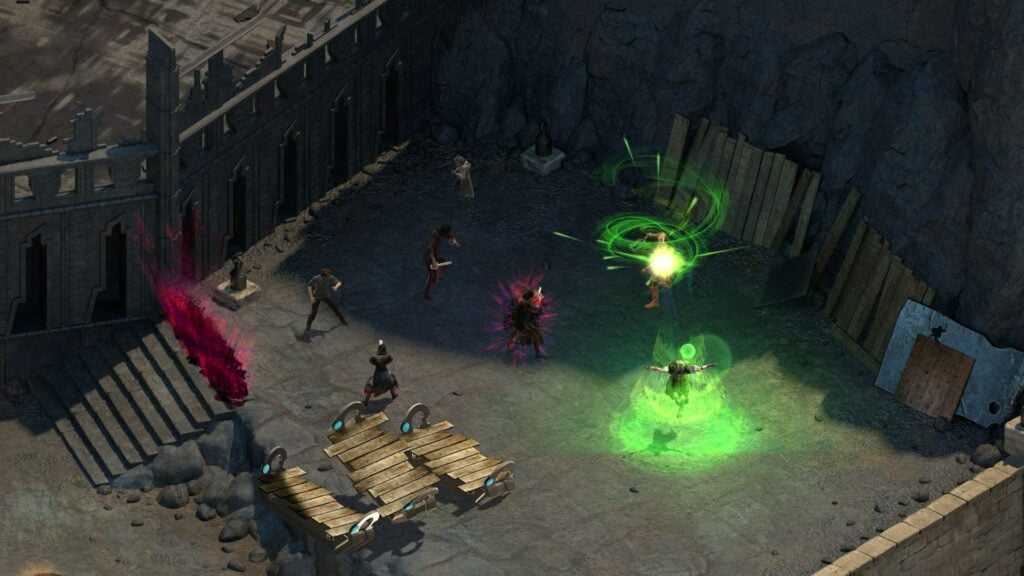
While many modern games now use fully three-dimensional environments, developers still embrace isometric perspectives when they suit the experience. Games like Hades (2020) use the viewpoint to keep fast-paced combat readable, while Disco Elysium (2019) uses it to present a richly detailed world packed with atmosphere and storytelling. More recently, Baldur’s Gate 3 (2023) demonstrated that classic isometric-inspired design principles can still captivate a modern audience.
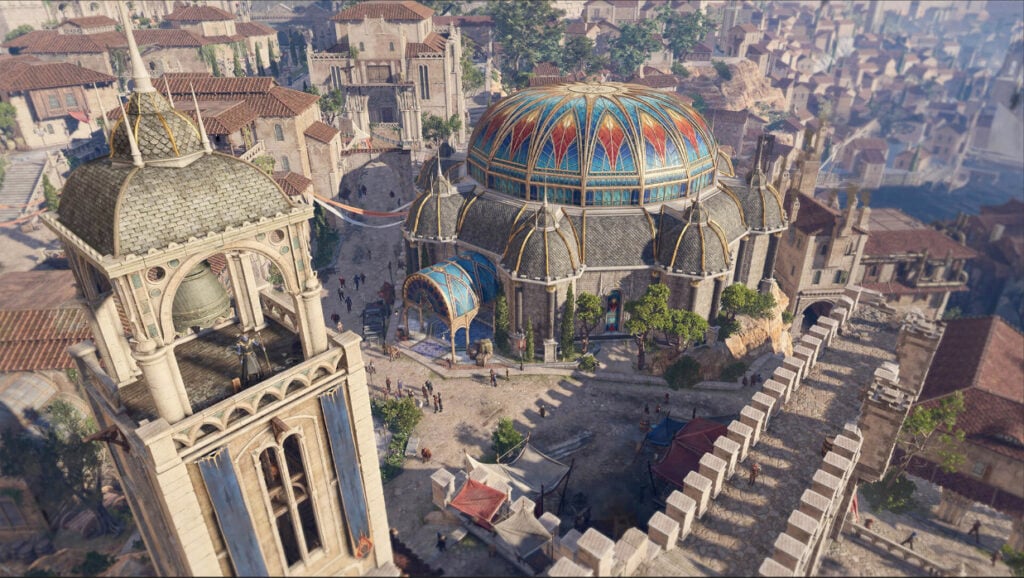
More than 40 years after Zaxxon first introduced players to an isometric world, the perspective remains one of gaming’s most enduring visual styles. Its ability to combine clarity, depth, and strong artistic direction continues to make it a favorite among developers and players alike.
Bring Gaming History to Your Walls
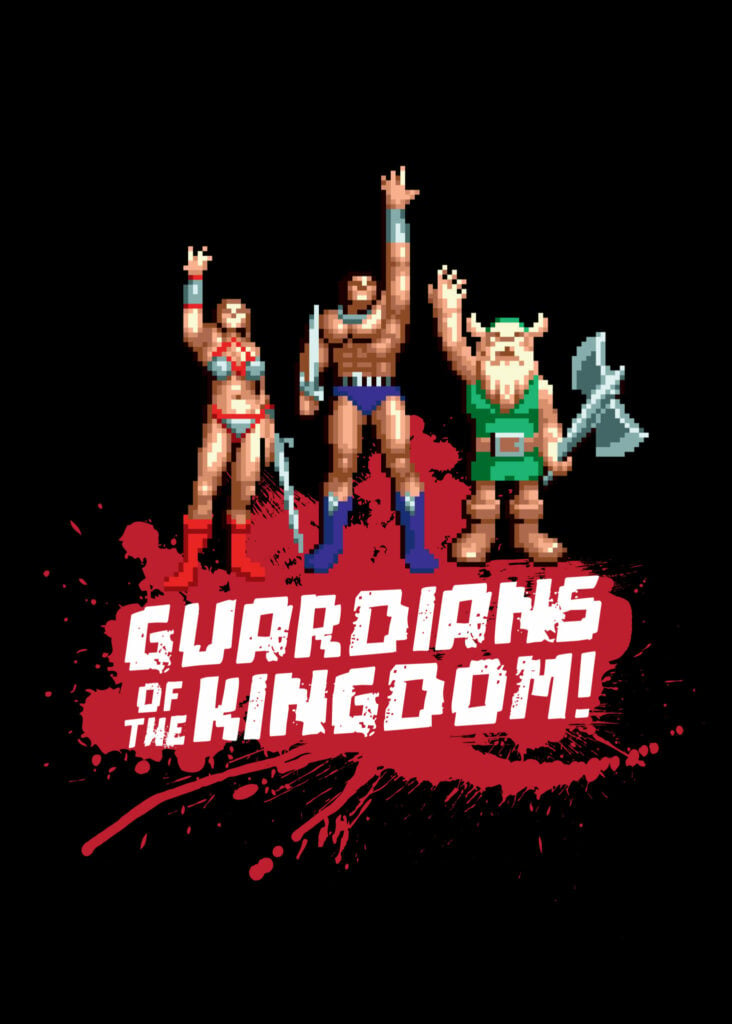

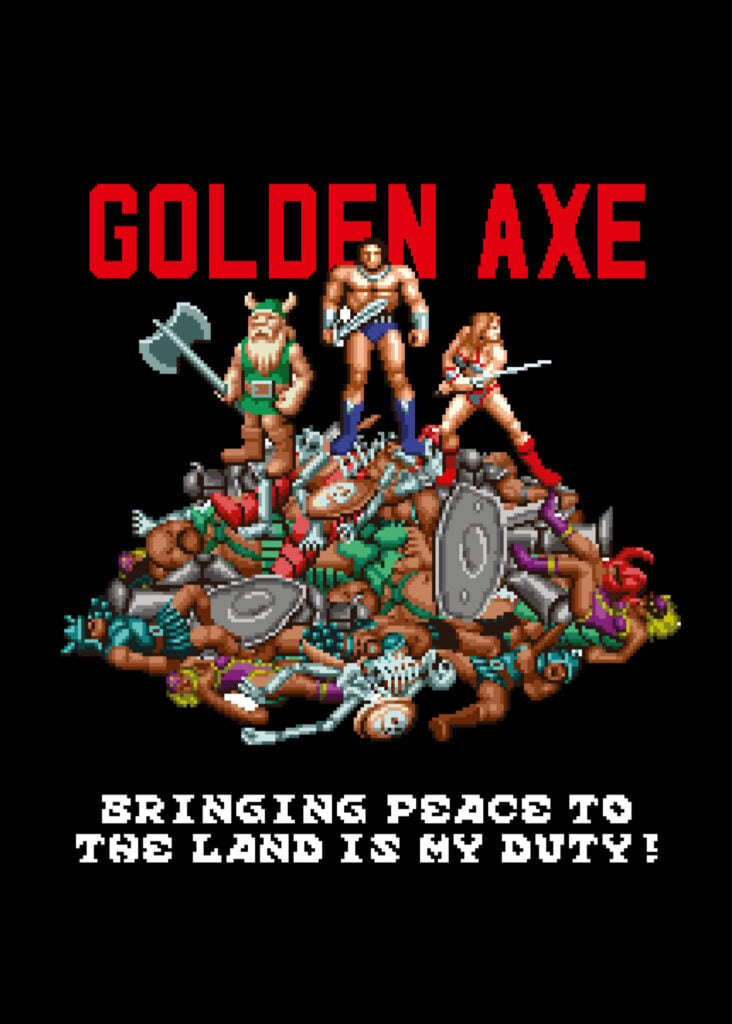
Some of gaming’s most iconic franchises are remembered not just for their gameplay, but for the visual styles that helped define them. From arcade classics to modern RPGs, great art direction has always played a key role in bringing virtual worlds to life.
If you’ve been inspired by gaming history, explore Displate’s collection of officially licensed gaming posters, including artwork from iconic SEGA franchises such as Golden Axe, Shinobi, Altered Beast, and Streets of Rage.
Because some gaming classics deserve a place beyond the screen.
