

Whether you’re looking to play for the first time or replay for the sheer thrill of it, there’s no denying that Resident Evil has dominated the survival horror genre for over three decades.
From the claustrophobic halls of the Spencer Mansion to the burning streets of Raccoon City and beyond, every game connects to a larger story of biohazards, corporate experiments, and survival against impossible odds.
And now, with 13 entries under its belt, there are more ways to play than ever, across timelines, story arcs, or just good ol’ fashioned release order. Each approach offers a different experience. The question is: which one suits you best?
The Best Way to Play Resident Evil (Quick Answer)
If you just want the cleanest, most modern way to experience the series, this is it:
- Start with the Resident Evil remakes (1–4), then continue through the mainline sequels.
You’ll get the full story, the defining moments, and the evolution of the franchise, without fighting outdated controls or clunky design. It’s the closest to how Resident Evil was meant to be played.
Resident Evil Games in Timeline Order (Narrative Arc)
If you want to experience Resident Evil as one continuous story, this is the path to follow. This order tracks the events of the series from the very beginning, starting with the first outbreak and following how it spreads, evolves, and reshapes the world around it.
It’s the clearest way to see how everything connects, from isolated incidents to full-scale bioterror.
Resident Evil Zero (2002)
While this is the fifth installment of the series, it is actually the starting point chronologically, taking place immediately before the events of Resident Evil. If you like to get all the background info to build up the story as you play, this is definitely where you want to start, as we’re introduced to characters and the origins of the T-virus.
Resident Evil (2002 Remake)
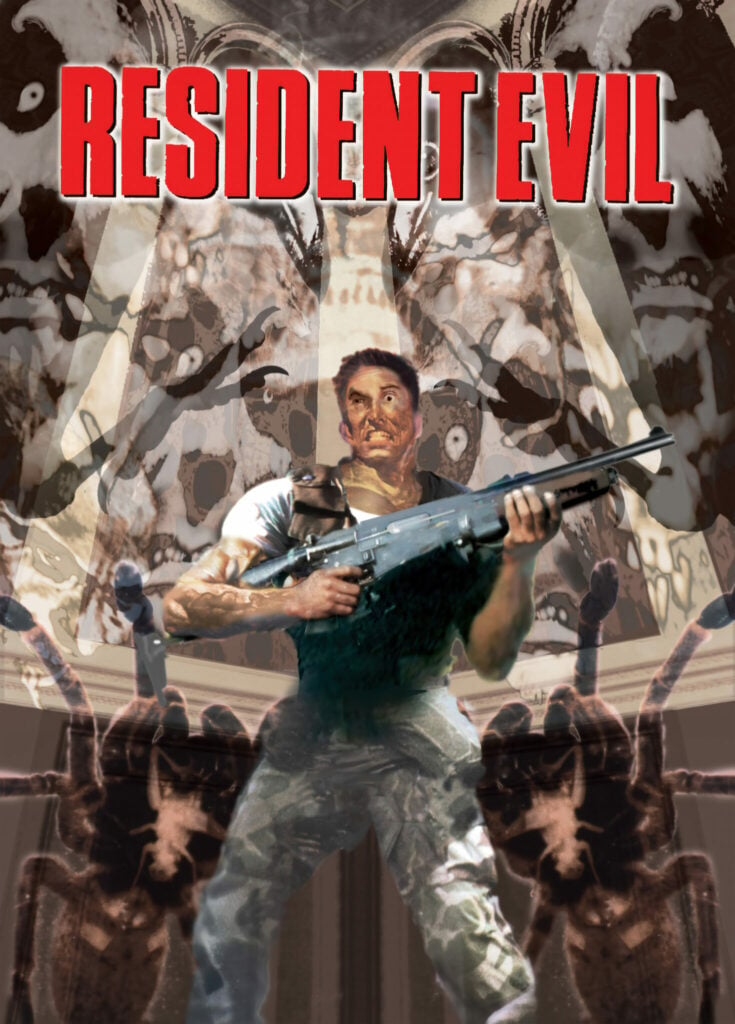
Where it all began. While the initial release was 1996, you’ll want to pick up the 2002 remake for this, as it actually brings more to the storyline.
Resident Evil 2 (2019 Remake)
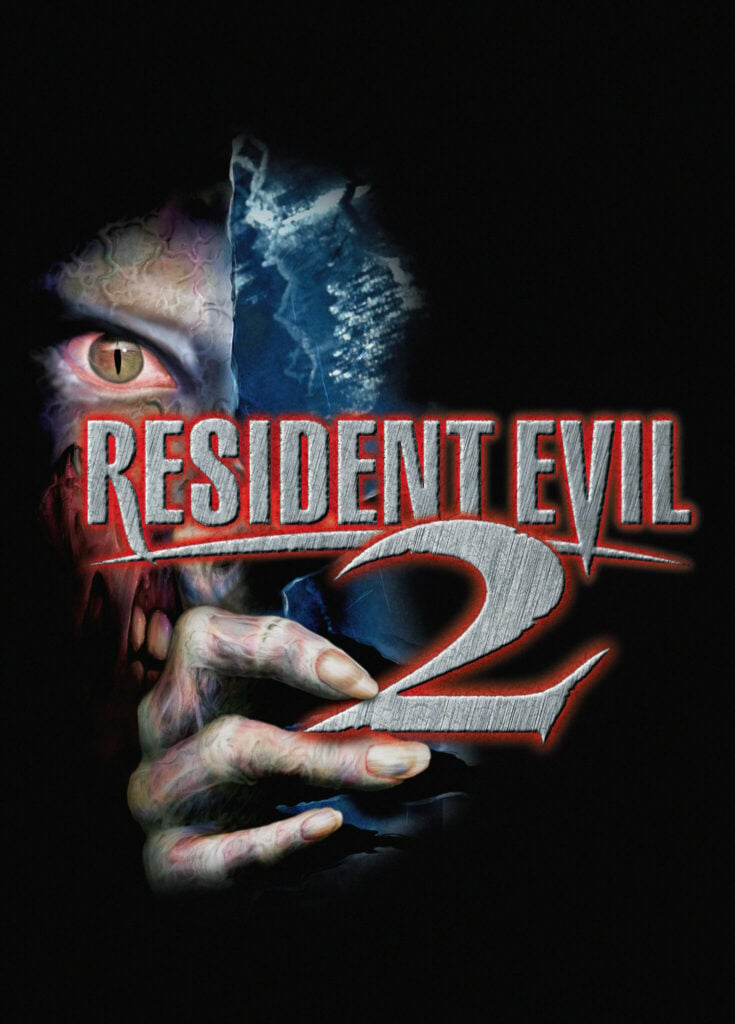
Here the story continues just months after Resident Evil 0 and Resident Evil. Raccoon City outbreak begins shortly after the mansion incident, where we also get to see some recurring characters such as Ada Wong and Tyrant.
Resident Evil 3 (2020 Remake)
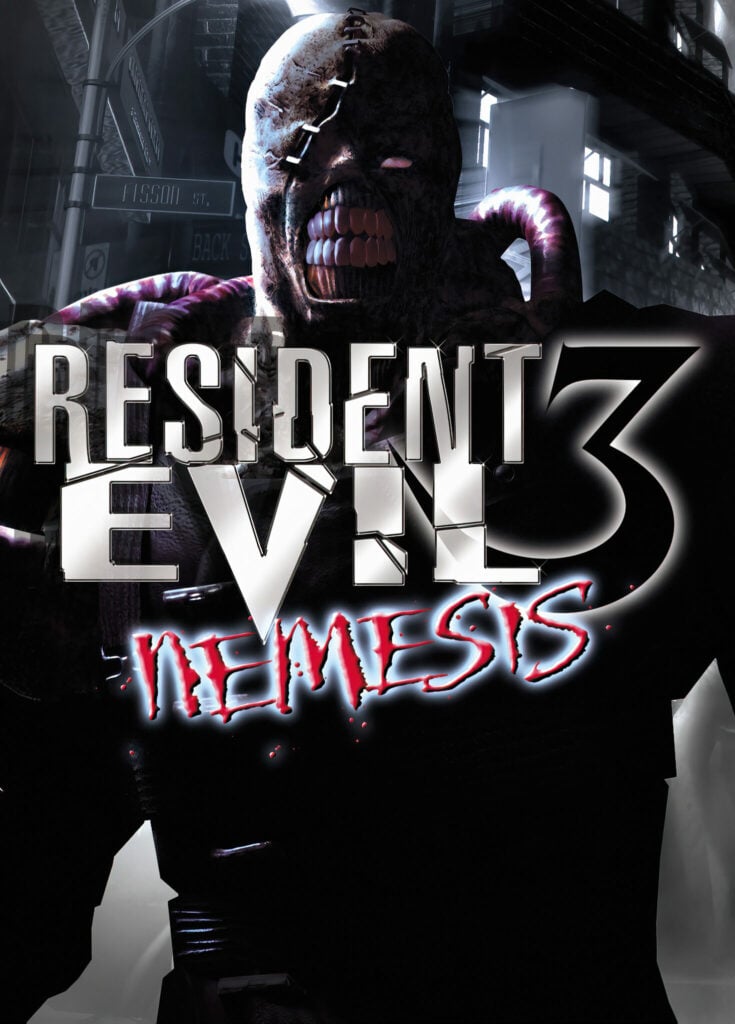
There are some blurred lines with Resident Evil 3 where timelines switch between pre- and post-Resident Evil 2, however most prefer to play it after 2 for the sake of simplicity.
Resident Evil: Code Veronica X (2000)
Moving ahead a few months, the story takes us to France and then along to the southern most region of Earth as our protagonists go in search for their siblings. Code Veronica brings back Chris Redfield from the original game as a playable character.
Resident Evil 4 (2023 Remake)
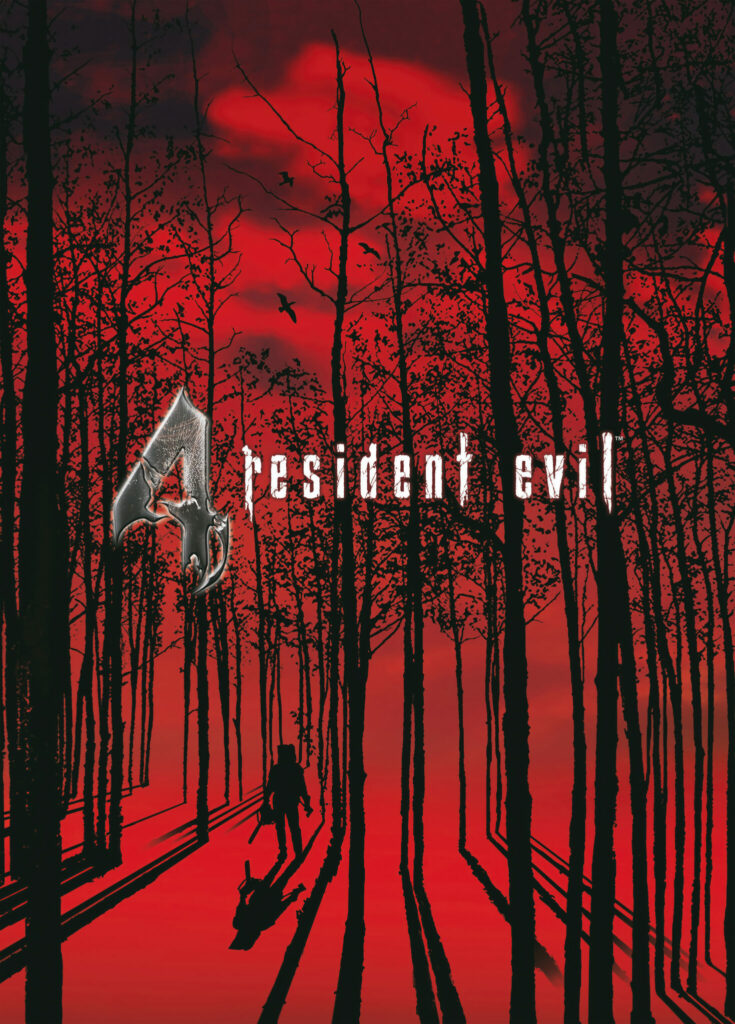
Here the story moves ahead by six years, bringing back Leon Kennedy as the protagonist after his time in Racoon City. This installment also brings together important character narratives, so it isn’t one to skip.
Resident Evil: Revelations (2012)
The consequences of Umbrella’s bioweapon development continue to spoil out in this release, with the timeline falling between RE4 and RE5.
Resident Evil 5 (2009)
Another time jump, this time we move five years on from RE4, taking us to Africa on a mission to stop a black market sale of a bioweapon. And in a Resident Evil first, you can play this installment as a co-op.
Resident Evil: Revelations 2 (2015)
Split into four episodes, with two parts per episode, Resident Evil: Revelations 2 explores a past sequence and a present sequence, bringing important revelations to the arc.
Resident Evil 6 (2012)
Leon Kennedy, Chris Redfield, Ada Wong, and Jake Muller, is there a more insane combo of protagonists? With a packed adventure on the hunt to prevent yet another virus (C-Virus) and the bioterroist group who created it, Neo-Umbrella.
Resident Evil 7: Biohazard (2017)
Here we get introduced to a new protagonist named Ethan Winters and brings the story into the modern day some time after RE6. While not as intrinsically linked to the whole timeline, RE7 does bring an important shift in gameplay, from third-person to first-person.
Resident Evil Village (2021)
This is where Ethan Winter’s story ends, three year after RE7. Like Biohazard, Village can be played as a stand alone game.
Resident Evil Requiem (2026)
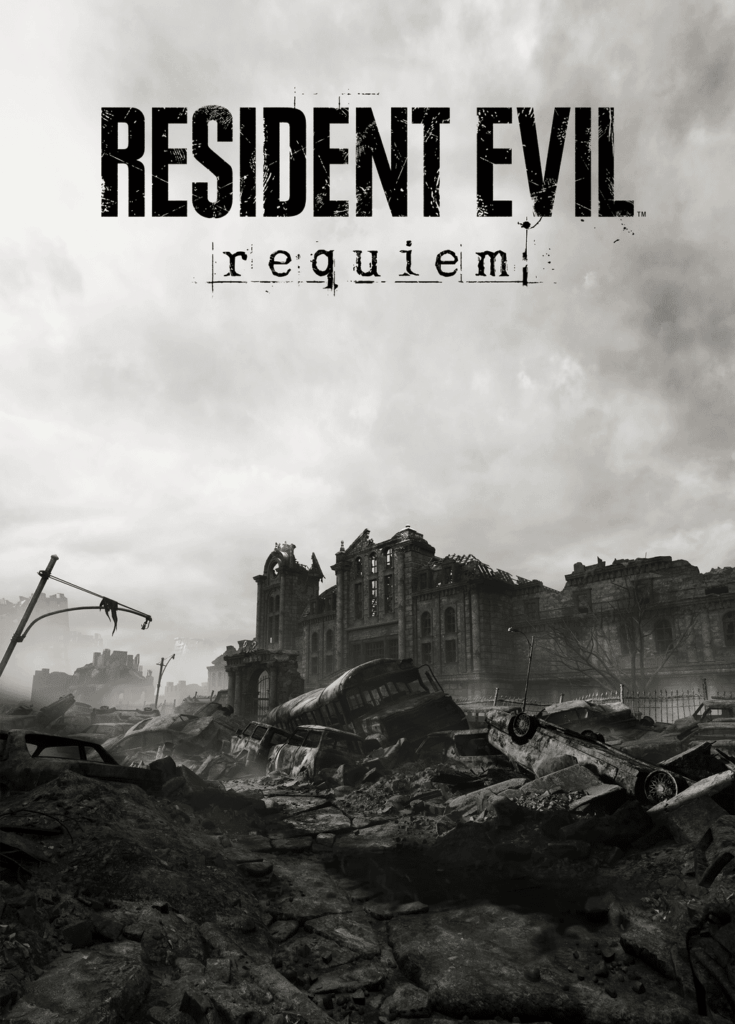
Set in 2026, nearly 30 years after the Raccoon City incident, this installment continues the overarching storyline while introducing two distinct protagonists and gameplay styles.
Resident Evil Games by Release Date
If you want to see how Resident Evil became what it is today, this is the way to play. Following the games by release date shows how the series changed in real time, from slow, tension-heavy survival horror to action-driven chaos, and eventually back to its darker roots.
It’s the clearest way to understand how the Resident Evil game franchise has constantly reinvented itself.
- Resident Evil (1996)
- Resident Evil 2 (1998)
- Resident Evil 3: Nemesis (1999)
- Resident Evil: Code – Veronica (2000)
- Resident Evil Zero (2002)
- Resident Evil (Remake) (2002)
- Resident Evil 4 (2005)
- Resident Evil 5 (2009)
- Resident Evil: Revelations (2012)
- Resident Evil 6 (2012)
- Resident Evil: Revelations 2 (2015)
- Resident Evil 7: Biohazard (2017)
- Resident Evil 2 (Remake) (2019)
- Resident Evil 3 (Remake) (2020)
- Resident Evil Village (2021)
- Resident Evil 4 (Remake) (2023)
- Resident Evil Requiem (2026)
This route gives you a clear view of how Resident Evil has evolved over time. You see how the gameplay shifts with each generation, how the tone moves between slow-burn horror and full-scale action, and how the franchise continues to shift and adapt without losing what made it iconic in the first place.
Recommended Resident Evil Play Order (Best of Both Worlds)
If you want the most complete way to experience Resident Evil, this is the route most players settle on.
It follows the story in a way that makes sense, while leaning on the modern versions of the games where it matters, giving you the full narrative without the friction of older mechanics.
- Resident Evil (Remake – 2002)
- Resident Evil Zero (optional, but best played after RE1)
- Resident Evil 2 (Remake – 2019)
- Resident Evil 3 (Remake – 2020)
- Resident Evil: Code Veronica X
- Resident Evil 4 (Remake – 2023)
- Resident Evil 5
- Resident Evil 6
- Resident Evil 7: Biohazard
- Resident Evil Village
- Resident Evil Requiem (2026)
This approach keeps everything flowing smoothly, letting you experience the full story without breaking immersion, while still benefiting from the most refined versions of each game.
Understanding the Resident Evil Timeline
To fully understand the Resident Evil timeline, everything comes back to one moment: the Raccoon City outbreak.
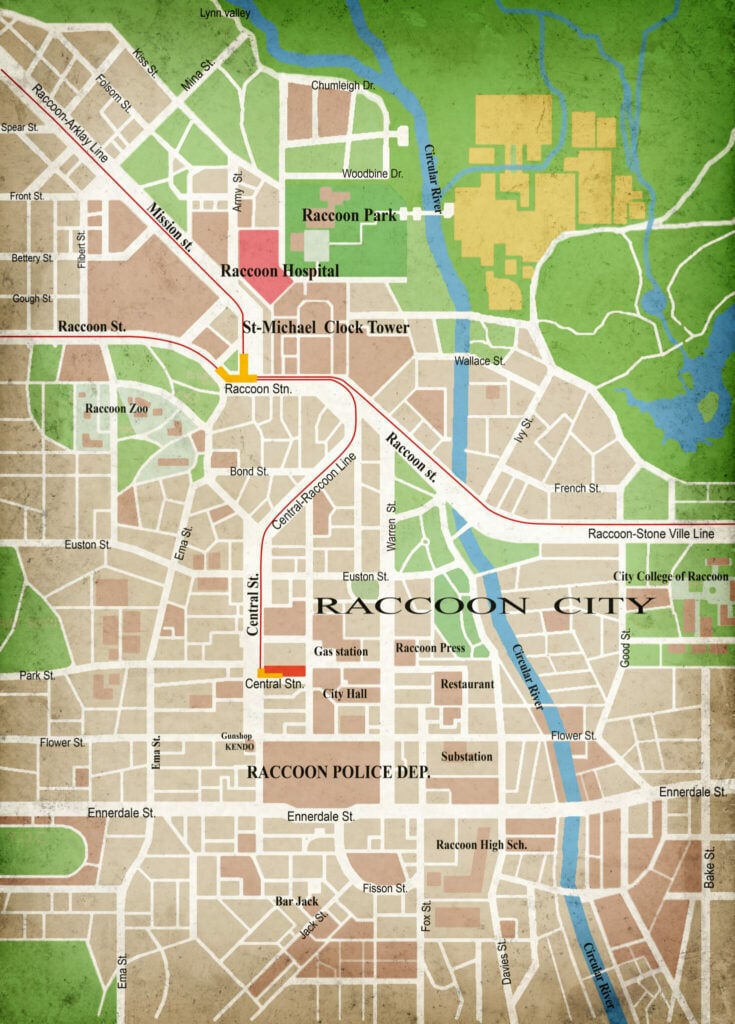
It’s where the series truly begins, introducing the key characters, the Umbrella Corporation, and the scale of what’s to come. From there, the story doesn’t just continue, it expands.
The Raccoon City Arc
- Resident Evil Zero
- Resident Evil 1
- Resident Evil 2
- Resident Evil 3
This arc covers the outbreak itself, from the first signs of infection to the collapse of Raccoon City. It’s the foundation of the entire series, establishing the world, the stakes, and the consequences that ripple through every game that follows.
The World After Umbrella
By the time Resident Evil 4 begins, Umbrella is already gone, but the threat hasn’t disappeared.
Instead, it spreads. What started as a contained disaster becomes something harder to control, with new organisations, new bioweapons, and outbreaks no longer tied to one location.
The Return to Horror
Resident Evil 7 marks a clear shift in direction.
After the larger, action-driven entries, the series pulls back into something more focused and unsettling. Smaller settings, slower pacing, and a more personal story bring the tension back to the forefront, redefining what Resident Evil feels like without losing its identity.
What You Can Skip (Or Save for Later)
Not every Resident Evil game is essential, and some are better treated as side experiences rather than core entries.
Titles like Umbrella Corps, Operation Raccoon City, and Re:Verse lean heavily into multiplayer or sit outside the main canon. They have their place, but they don’t add much to the central story.
One Game You Shouldn’t Skip
If there’s one older title worth making time for, it’s Resident Evil: Code – Veronica.
It plays a crucial role in the wider narrative, especially for the Redfield storyline, and fills in gaps that the mainline games don’t fully cover. It may feel dated, but skipping it leaves a noticeable hole in the story.
Choose Your Survival Style. Build Your Space. (No Inventory Slots Required)



From the claustrophobic halls of the Spencer Mansion to the chaos of Raccoon City, Resident Evil has always been about atmosphere, tension, and survival under pressure.
Bring that same energy into your space with officially licensed Resident Evil posters, featuring everything from in-game stills to cinematic key art. Printed on premium metal and mounted with a simple magnetic system, they bring the tone of the games directly into your room.
Just like your loadout, your space should feel built for you.
