
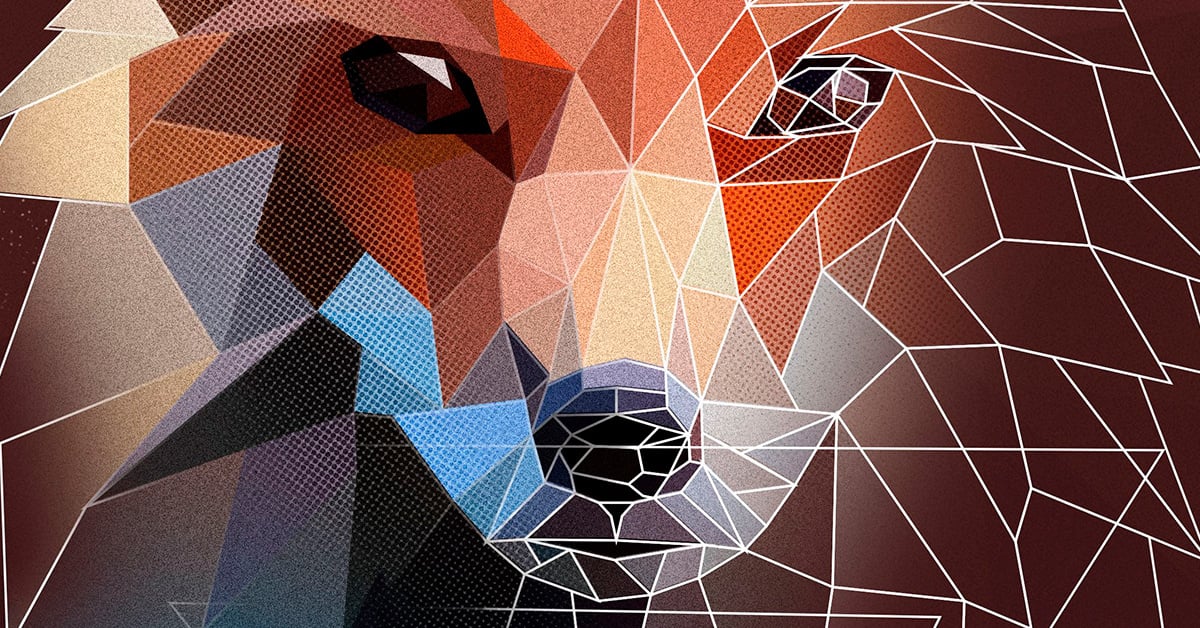
Low poly art, short for low polygon art, is a minimalistic art style used in video game design, animation, and illustration. It favors Low poly art, short for low polygon art, is a minimalist art style used in video game design, animation, 3D design, and illustration. Instead of chasing lifelike realism, it leans into simplified geometry, straightforward colors, bold shapes, and faceted surfaces.
The style began as a practical response to the hardware limits of early 3D games, when developers had to make every polygon count. What started as a technical compromise eventually became an aesthetic in its own right.
Its appeal still comes from the qualities that once made it practical: clear shapes, strong silhouettes, and controlled detail.
So, how did a technical limitation become a visual style in its own right?
What Are Polygons?
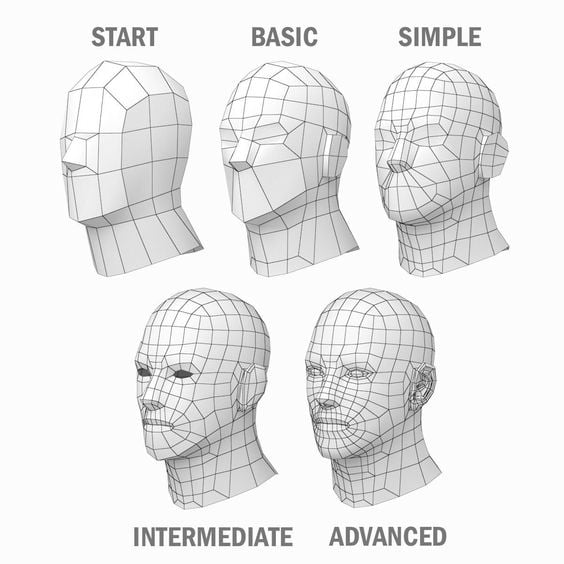
Polygons are flat geometric shapes used to build 3D models. In practice, most 3D meshes are made from triangles or four-sided faces known as quads.
Low poly models are built with a relatively small number of polygons compared with more detailed 3D models. Together, those polygons form the surface of an object, with each face contributing to its overall shape.
The more polygons a model uses, the more smoothly it can represent curves, facial features, folds, and other fine details. Reduce that number, and the structure becomes more visible: edges look sharper, surfaces appear faceted, and complex forms are simplified into larger geometric shapes.
That visible geometry is what gives low poly art much of its character today, with polygon count becoming part of the visual style rather than something artists are trying to hide.
The History of Low Poly Art
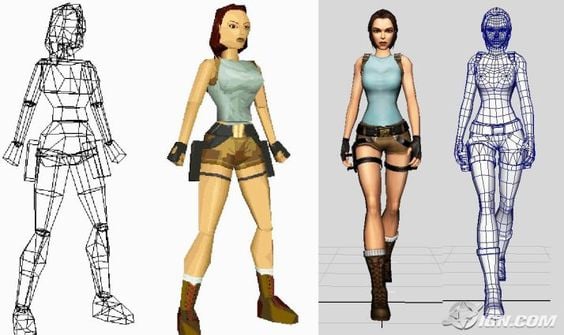
Low poly became a recognizable part of game design during the first big wave of 3D gaming in the 1990s, when consoles such as the original PlayStation and Nintendo 64 were pushing real-time 3D into the mainstream.
Games like Tomb Raider and Resident Evil turned angular character models, simplified environments, and limited textures into part of the visual language of the era. At the time, those choices were driven largely by technical necessity, but the look became instantly recognizable.
As hardware improved, developers no longer had to rely on such low polygon counts. Instead of disappearing, though, the aesthetic stuck around. What once signaled technical limits gradually became a deliberate visual choice, especially for artists and developers looking for a stylized or nostalgic 3D look.
Low Poly in Modern Game Design
Modern hardware can render vastly more detailed 3D worlds than the consoles that defined early 3D games. That has not made low poly obsolete. If anything, it has turned the style into a more deliberate choice.
For some developers, nostalgia is part of the appeal. Blocky models, sharp edges, and simplified environments can instantly recall early generations of 3D games, much like pixel art does for 2D classics.
But nostalgia is only part of the story.
Low poly can also improve readability. Strong silhouettes, limited detail, and clear color blocking make characters, enemies, and objects easier to identify at a glance. Games such as Lovely Planet lean heavily on this, using bold colors and distinctive shapes to keep the action visually clear.
The style also leaves more room for interpretation. Simplified environments and characters suggest detail rather than spelling everything out, which can give a game a more stylized, imaginative feel.
And, of course, low poly simply has a strong visual identity. When artists combine simple geometry with modern lighting, color, and composition, the result can feel both retro and contemporary.
Low Poly Art Beyond Games
Low poly may have grown out of video game design, but it no longer belongs exclusively to 3D worlds.
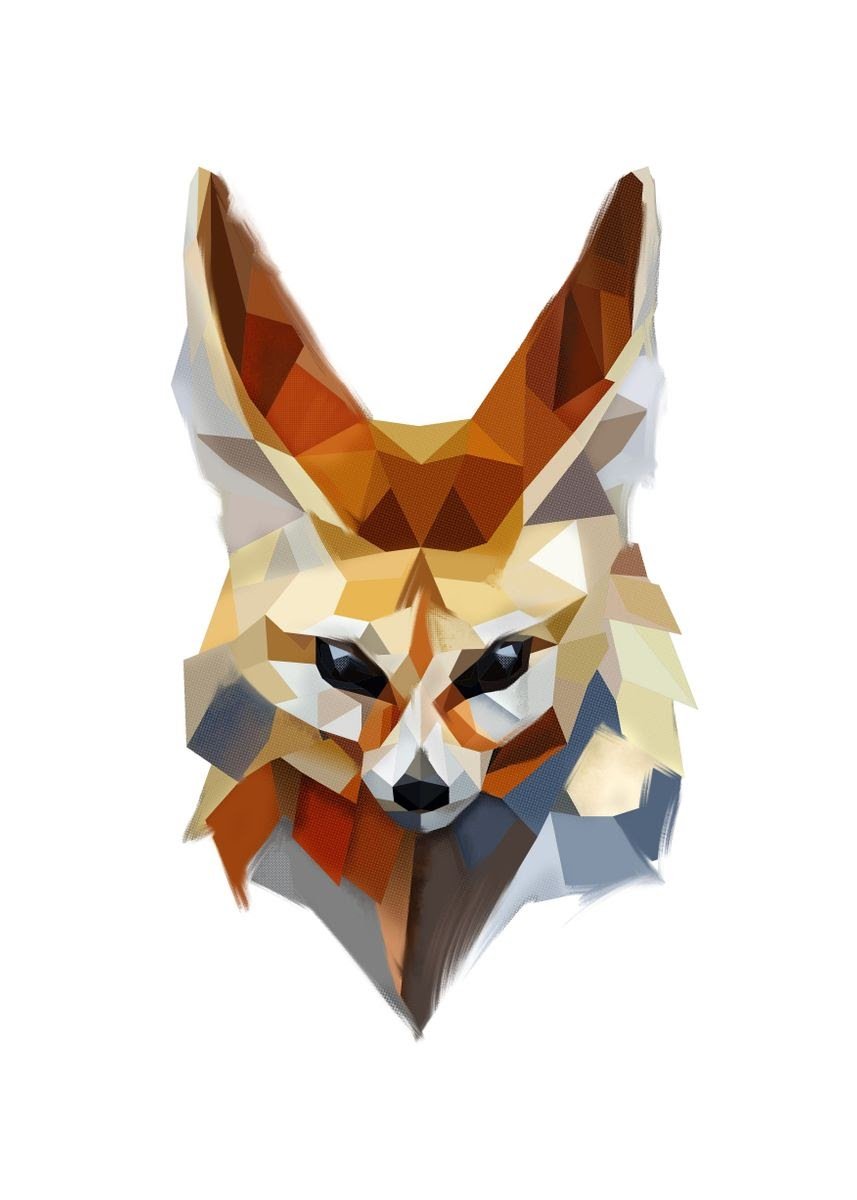
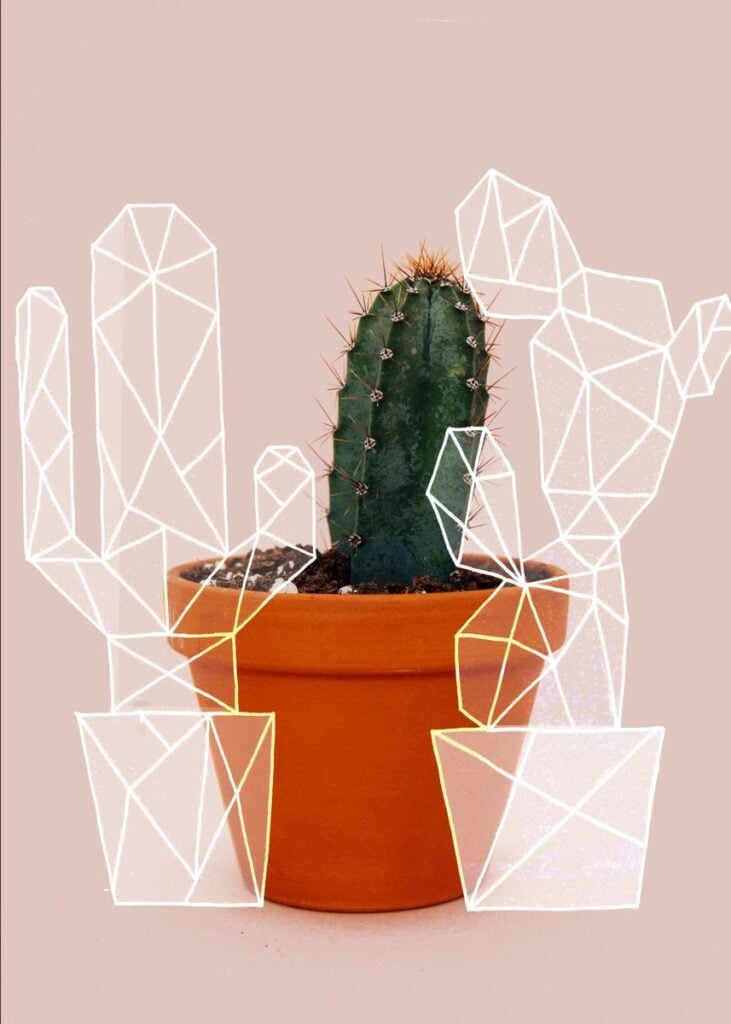
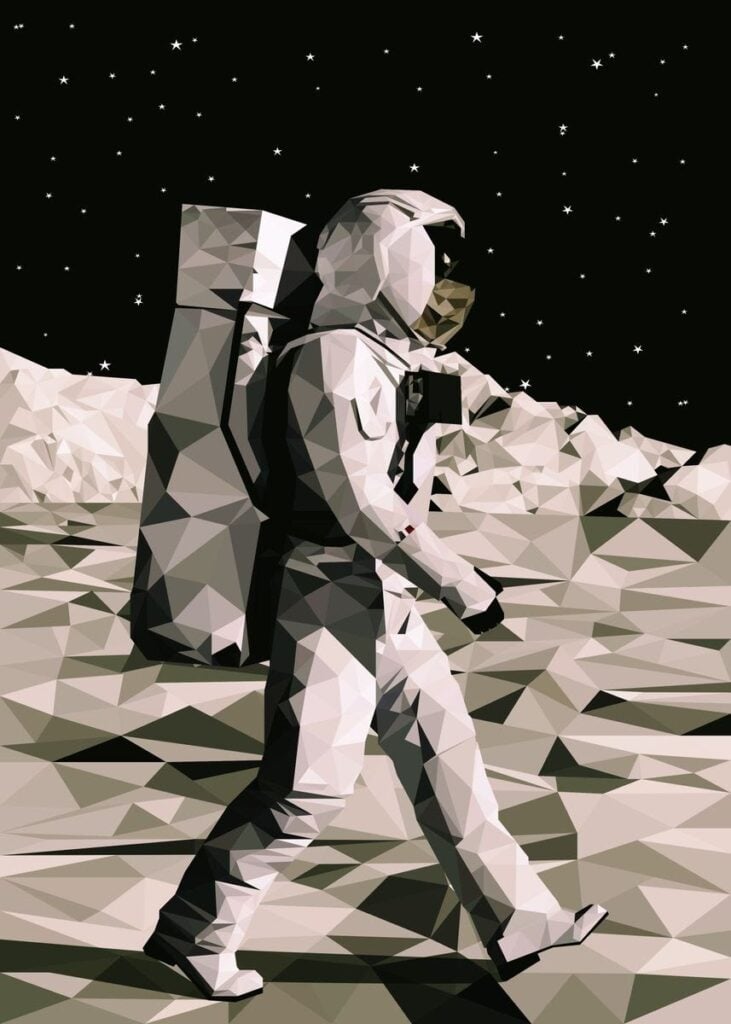
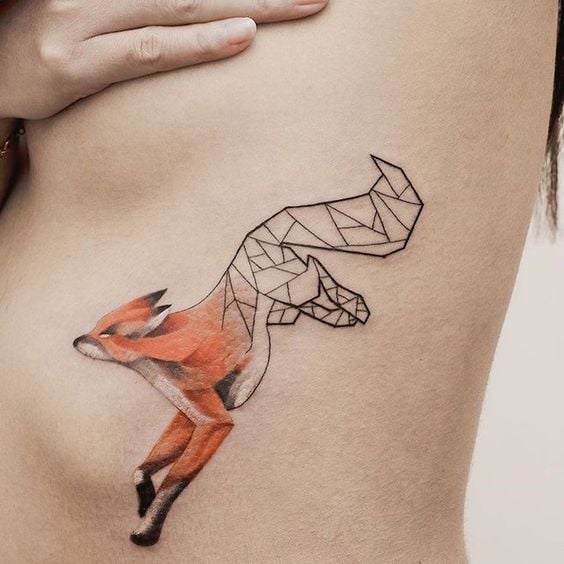
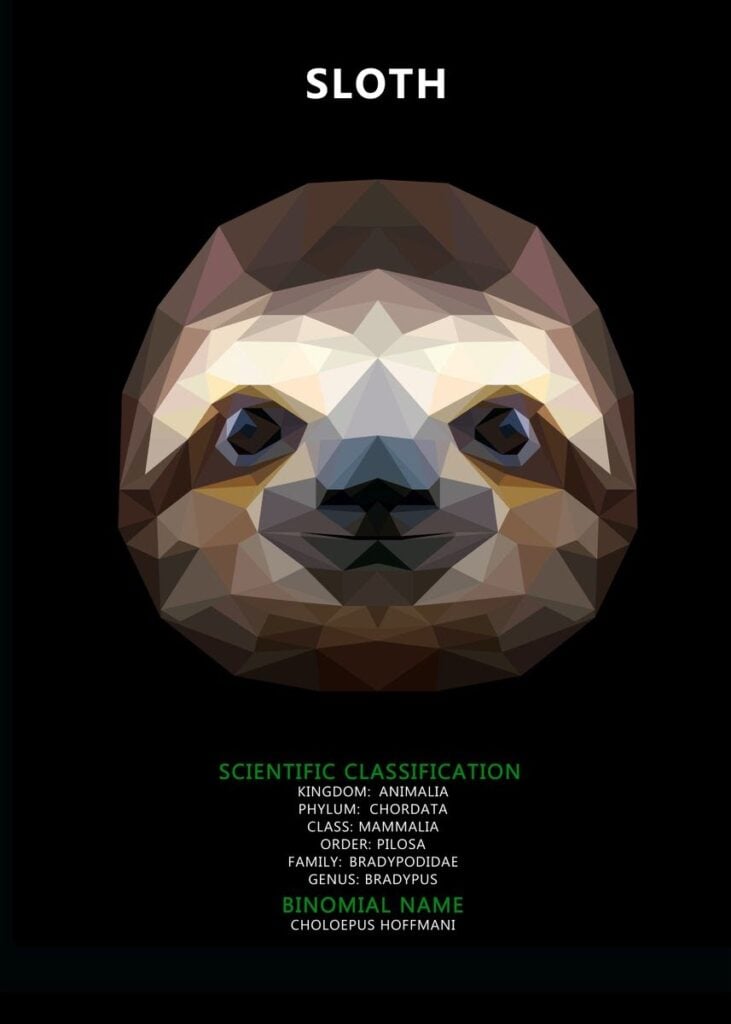
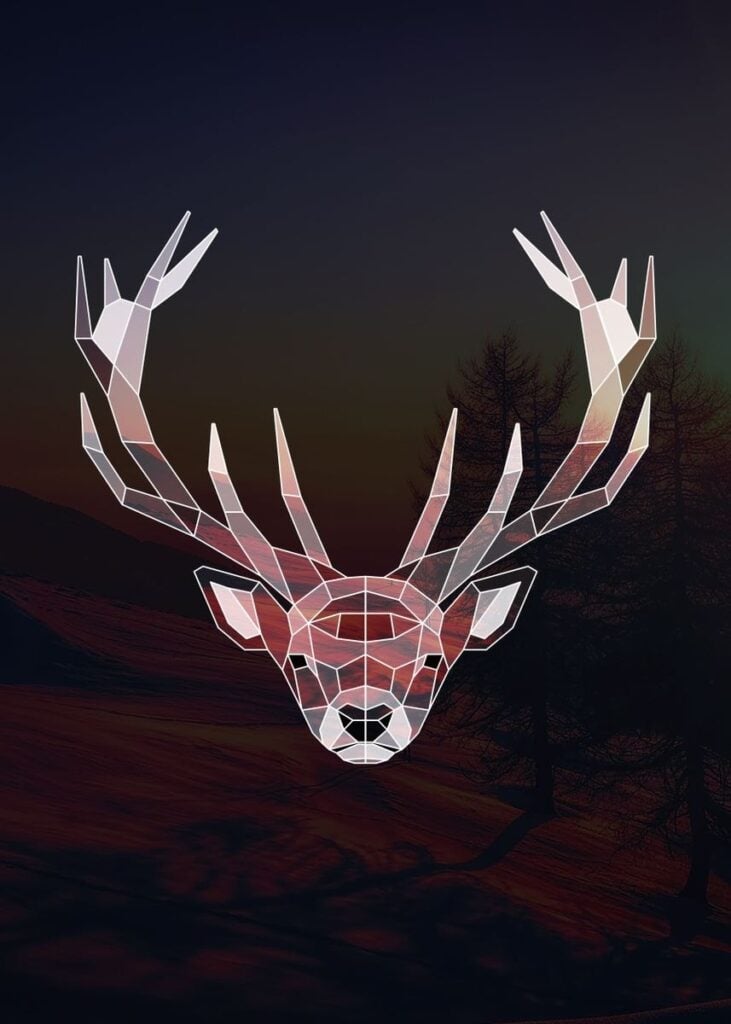
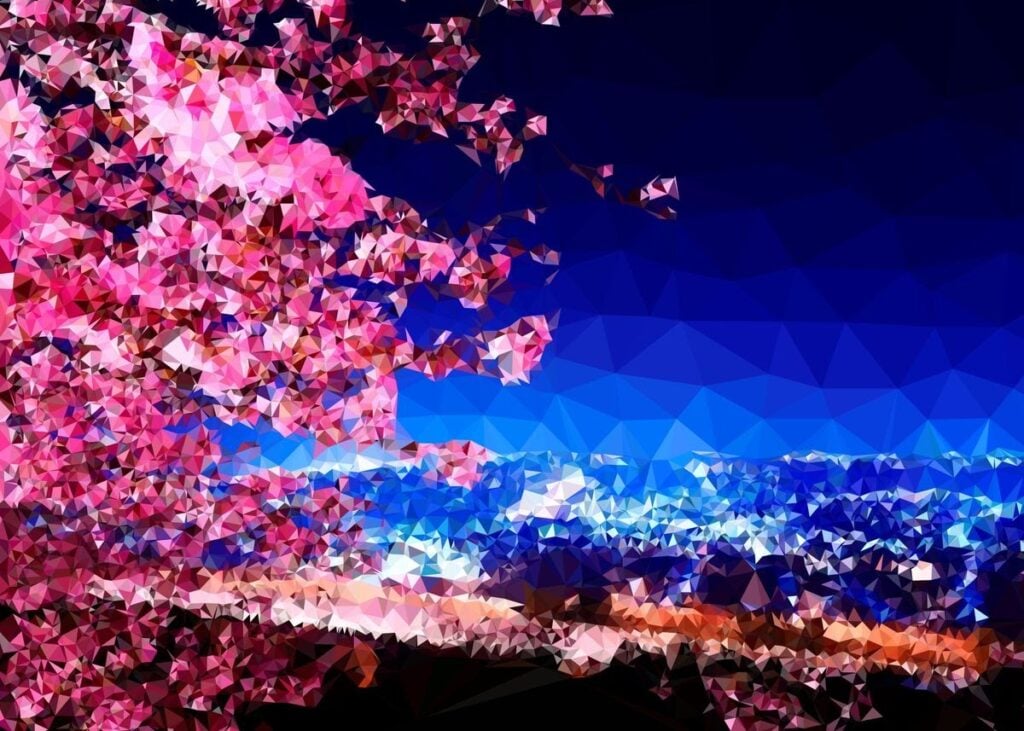
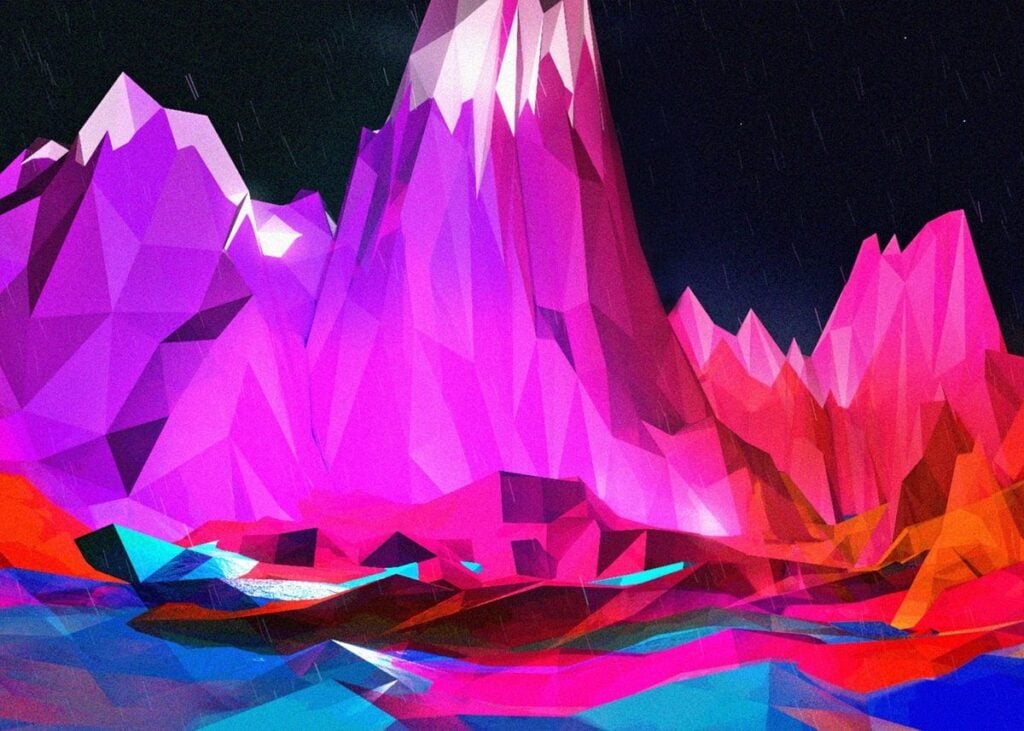
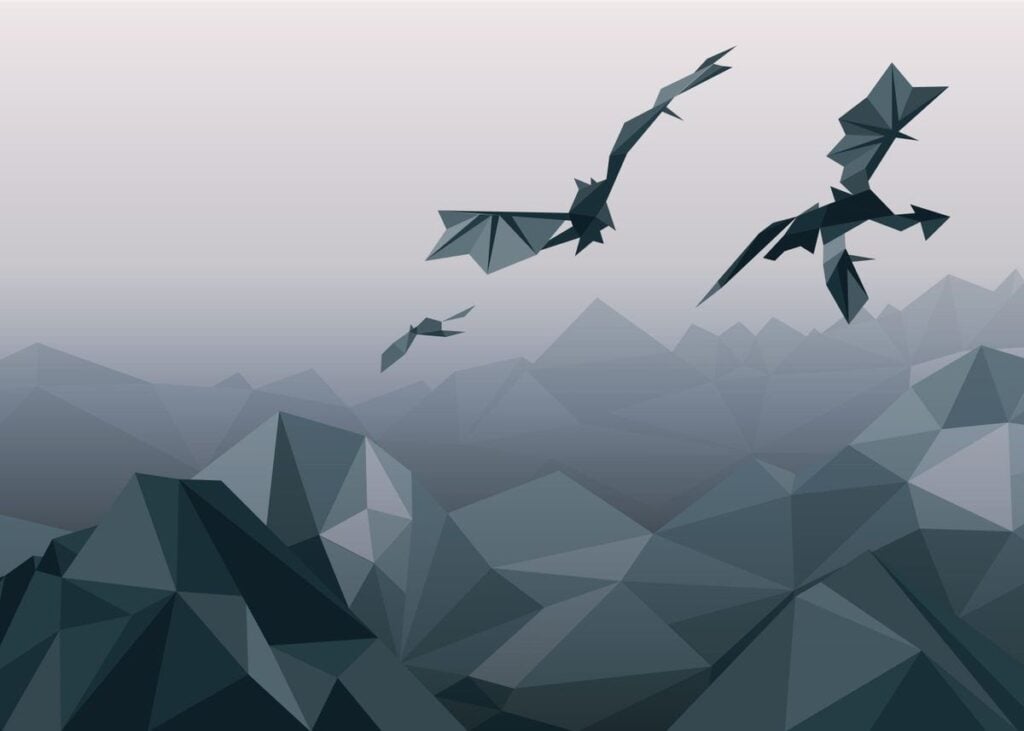
Artists now use the low poly art style across illustration, posters, branding, sculpture, tattoos, portraits, and much more. The same faceted geometry that once helped games run more efficiently can now be used purely for visual effect.
Modern low poly often combines simple forms with high-resolution rendering, detailed lighting, and carefully chosen color palettes. That contrast is a big part of the appeal: the geometry stays deliberately stripped back, while everything around it can feel polished and contemporary.
The result is a style that can shift easily between playful, abstract, dramatic, and highly graphic depending on the subject.


How to Make Low Poly Art
There are two main ways to approach low poly art: build it as a 3D model, or recreate the faceted look in 2D illustration.
The technique varies by format, but the principle remains the same: simplify the subject into clear geometric shapes and let structure, color, and lighting do more of the work.
How to Make Low Poly Art in 3D
- Start with the silhouette
Build the larger form first and make sure the model reads clearly before adding smaller details.
- Keep the geometry controlled
Use triangles and quads to shape the model, adding polygons only where they improve the form. Low poly is not about hitting a magic polygon count; it is about simplifying deliberately.
- Let the faces show
Flat or faceted shading can emphasize the geometry, while directional lighting helps define the different planes and edges.
- Keep the palette focused
A limited color palette can make the model easier to read and stop the geometry from becoming visually noisy.
How to Make Low Poly Art in 2D
- Choose a clear reference
If you’re learning how to draw low poly art, start with an image that has a strong silhouette, clear lighting, and enough contrast to separate the main shapes.
- Break the subject into polygons
Triangles are the classic choice, but other geometric shapes can work too. Build the image from larger areas first rather than tracing every small detail.
- Use symmetry when it helps
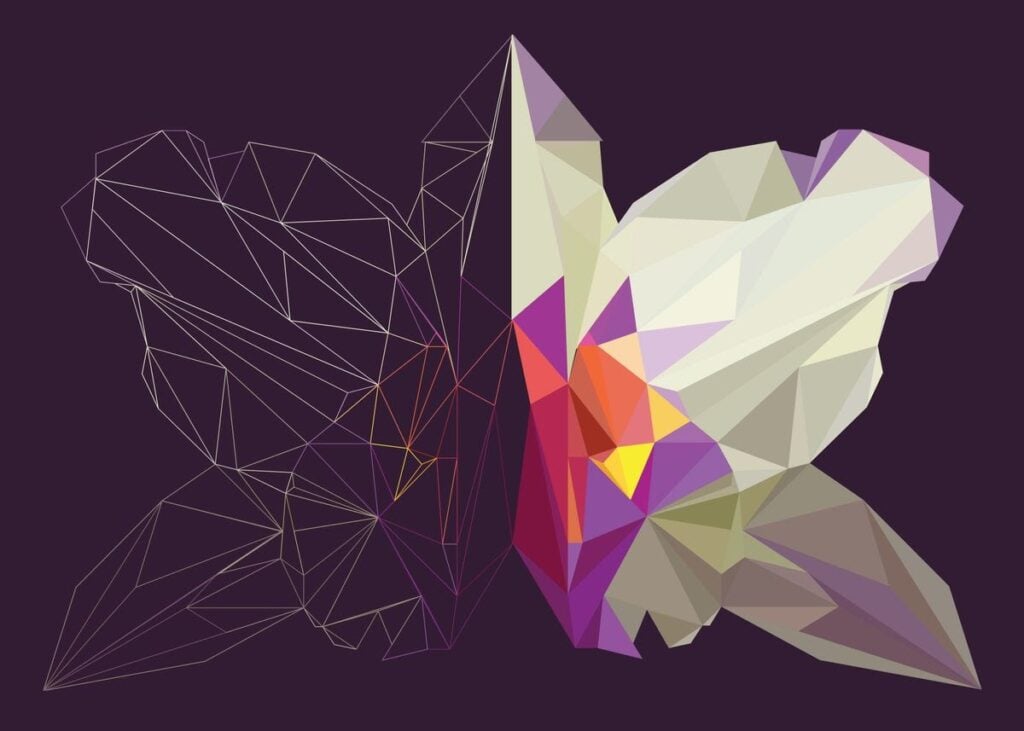
For portraits, animals, or other symmetrical subjects, constructing one side first can save time and help keep the design balanced.
- Build depth with color
Use changes in color and value to suggest light, shadow, and form across the different faces.
- Refine without overworking it
Vector software such as Adobe Illustrator works well because individual shapes can be moved, resized, and recolored easily. Keep simplifying as you work; the goal is not to recreate every detail in the reference.
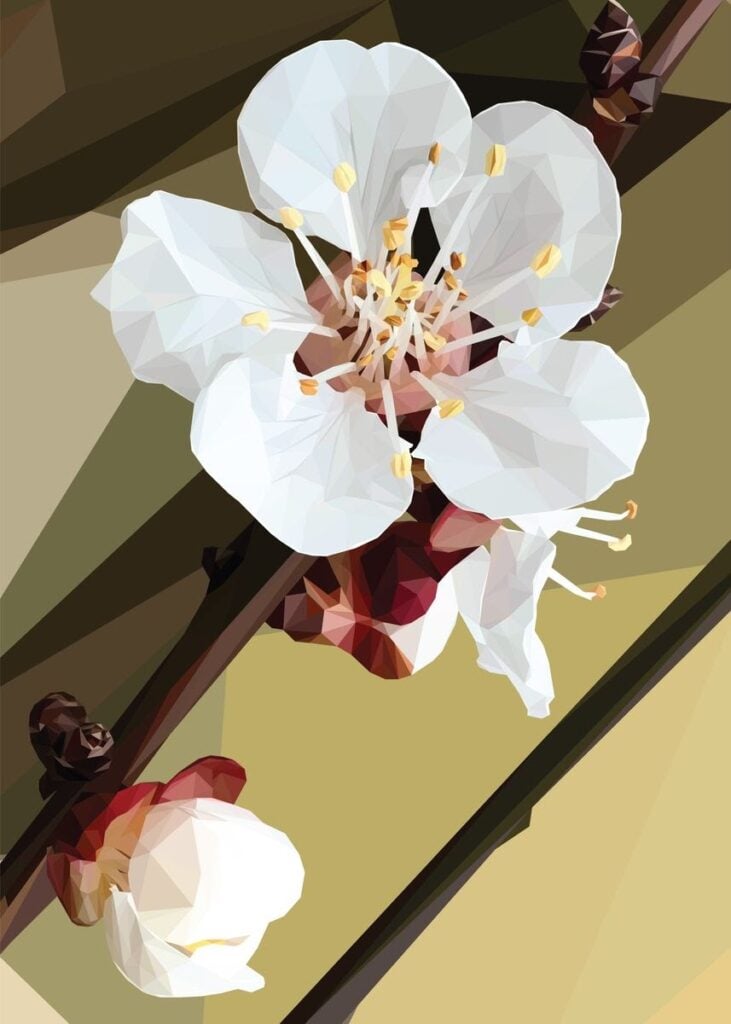
Low Poly Art Gallery






Bring Low Poly Art into Your Space
Low poly art may have started as a technical workaround, but its sharp geometry, bold color, and instantly recognizable look have given it a life far beyond early 3D games.
From faceted animals and landscapes to futuristic cityscapes and abstract portraits, the style proves that fewer details can still create plenty of visual impact.
Explore Displate’s collection of low poly posters and find a design that brings that recognizable geometric look to your wall.
Simple shapes. Strong style. No extra polygons required.
