
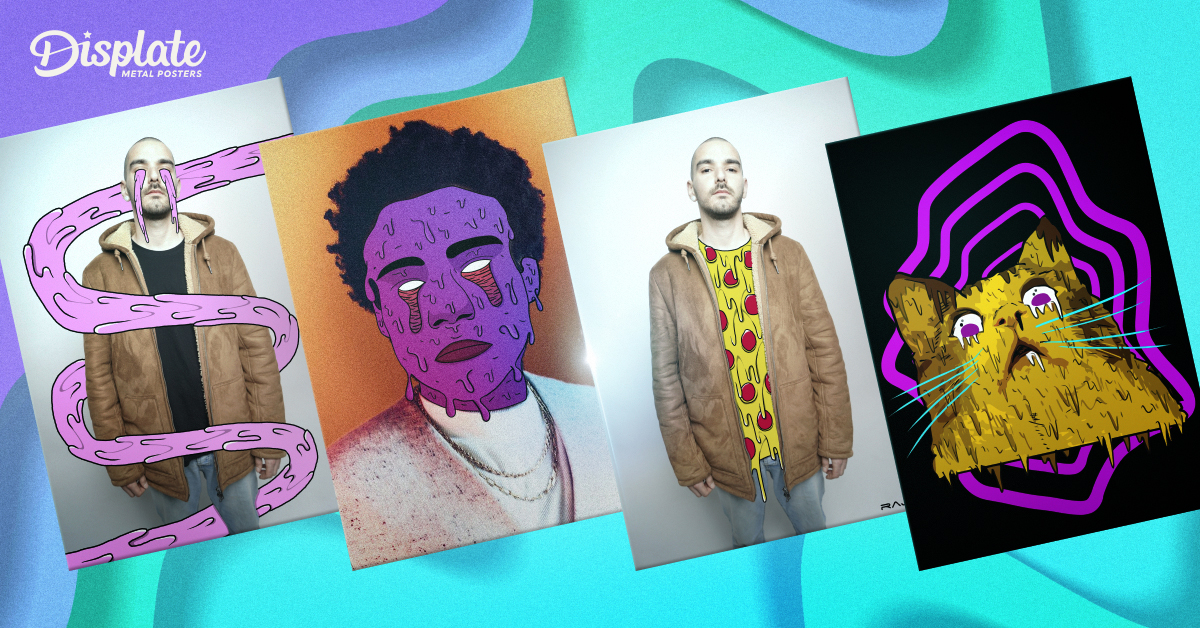
Grime art is one of the internet’s most distinctive digital art styles, transforming ordinary portraits into surreal, melting, and often grotesque versions of themselves. Characterized by dripping flesh-like textures, exaggerated facial features, vibrant colors, and psychedelic distortions, the style emerged in the mid-2010s and quickly gained popularity across social media platforms.
While grime art can appear unsettling at first glance, its playful blend of horror, humor, and creativity has attracted a dedicated community of artists and fans. From celebrity portraits, experimental game art, album artwork to memes and experimental digital creations, grime art continues to push the boundaries of digital image manipulation. Let’s explore the origins of the movement, the artists behind it, and some standout examples of the style in action.
The Foundations of Grime Art
Digital art has given artists more freedom than ever to experiment with how images are created, manipulated, and shared. As photo-editing software became increasingly accessible, creators began pushing beyond traditional photography and illustration, blending the two to create entirely new visual styles.
At the same time, surreal and grotesque imagery continued to captivate audiences. From exaggerated caricatures to body horror in film and contemporary art, artists have long been fascinated by transforming familiar subjects into something strange, unsettling, or unexpected.
Grime art emerged from this creative landscape. By combining digital photo manipulation with distorted, cartoon-like illustrations, artists found a new way to reimagine portraits and popular imagery. The result was a style that felt equal parts playful, grotesque, and uniquely suited to the internet age.
The Birth of Grime Art
The appeal of grotesque imagery has long fascinated artists and audiences alike. Unlike idealized portrayals of beauty, distorted and exaggerated visuals can feel strangely relatable, challenging our expectations of how people and objects should appear.
This fascination with transformation helped pave the way for grime art. In 2015, the style gained widespread attention through Head Splitter, a music video by dubstep artist Getter that featured heavily distorted, melting visuals created by artist Richie Velasquez, better known online as DelaDeso. Faces, objects, and entire scenes appeared to droop and warp into surreal, cartoon-like versions of themselves, creating an aesthetic that was both captivating and unsettling.
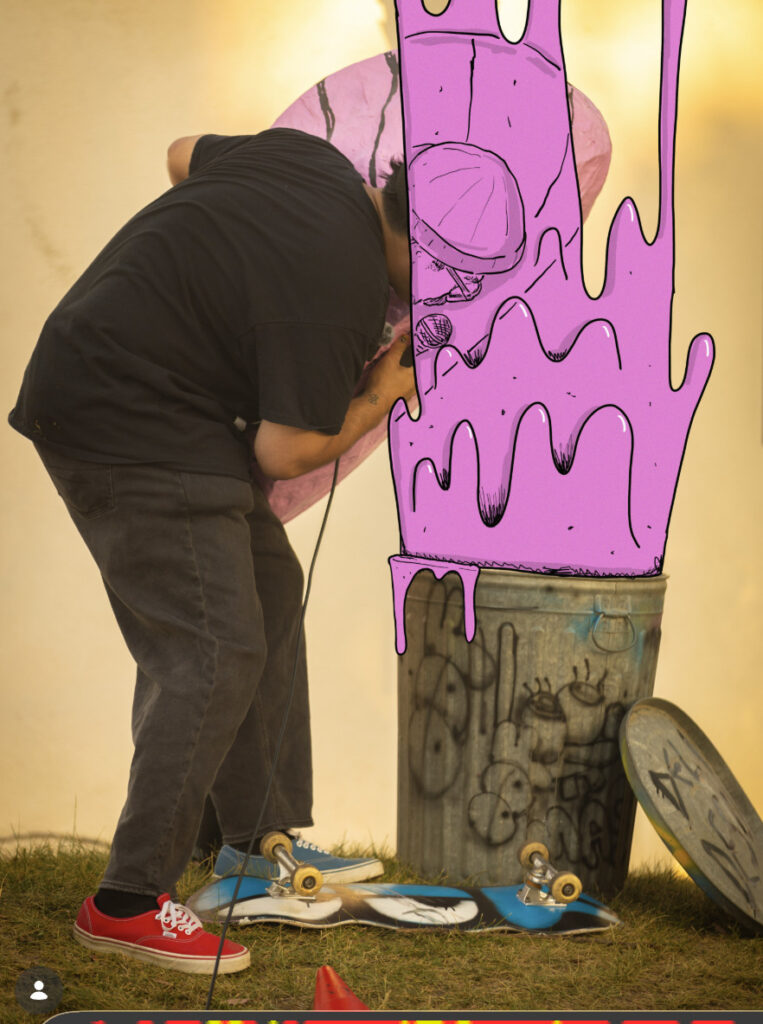
Following the video’s release, the style quickly spread across platforms such as Instagram and Tumblr, where artists began experimenting with their own interpretations of the look. As the community grew, grime art evolved beyond its original influences and developed into a recognized digital art style in its own right.
The Many Faces of Grime Art: The Artists
The creator of this editing technique, Richie Velasquez, better known by his online persona DelaDeso, is widely regarded as one of the artists most closely associated with the rise of grime art. As the style spread beyond its early roots, it was embraced by growing communities on platforms such as Instagram and Tumblr, where it quickly developed a life of its own.
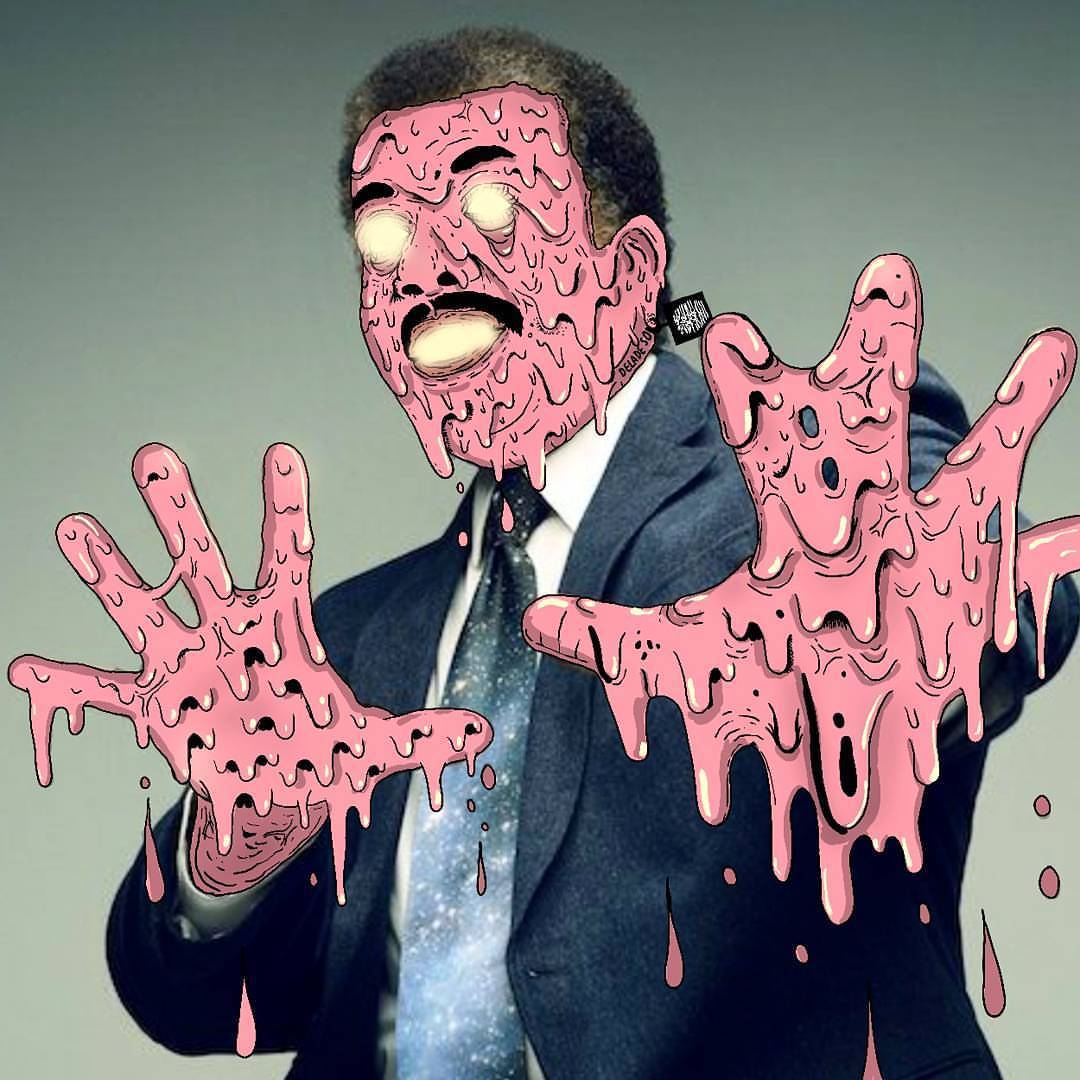
Slowly but surely, this fleeting fad transformed into a steadily growing community of people describing themselves as grime artists. Richie Velasquez remains one of the artists most closely associated with the movement and some of its most recognizable works. It is rather interesting to note that, despite initially being a mostly repetitive movement focused on imitation: grime art letters, grime art buildings, grime art food, grime art cars, all with the exact same droopy texture.
However, the influx of new grime artists fascinated by this slightly gross imagery changed it for the better. More and more people are putting their own ideas and personalities into grime art pieces, allowing the form to stay fresh and interesting. This results in slowly emerging distinctive grime art styles taking slightly different paths from the original but still converging at the same point: to make images more interesting by making them seem like psychedelic-fueled versions of themselves.
Why Did Grime Art Become Popular?
Part of grime art’s appeal comes from its rejection of the polished, carefully curated images that dominate social media. By transforming portraits into melting, distorted, and often humorous versions of themselves, artists challenged traditional ideas of beauty and perfection while creating something instantly recognizable.
The style also benefited from the rise of remix culture online. Artists could take familiar photographs, celebrities, memes, and pop culture icons and reinvent them through a surreal new lens. Combined with the accessibility of digital editing tools and social media platforms, this allowed grime art to spread quickly and attract a growing community of creators.
Perhaps most importantly, grime art balances shock value with creativity. Its exaggerated features, vibrant colors, and grotesque transformations can be unsettling, funny, and fascinating all at once, making it a style that continues to capture attention years after it first emerged online.
The Contemporary Caricature
The degrading yet humanizing aspect of grime art is yet another thing to consider. When put through the grime art machine, certain photographs seared into our brains as examples of universally experienced beauty can start to seem more in touch with reality. Looking at a zombified high fashion model makes her seem less otherworldly, and a certain celebrity looking like a human-shaped puddle of toxic waste reminds you of their true nature.
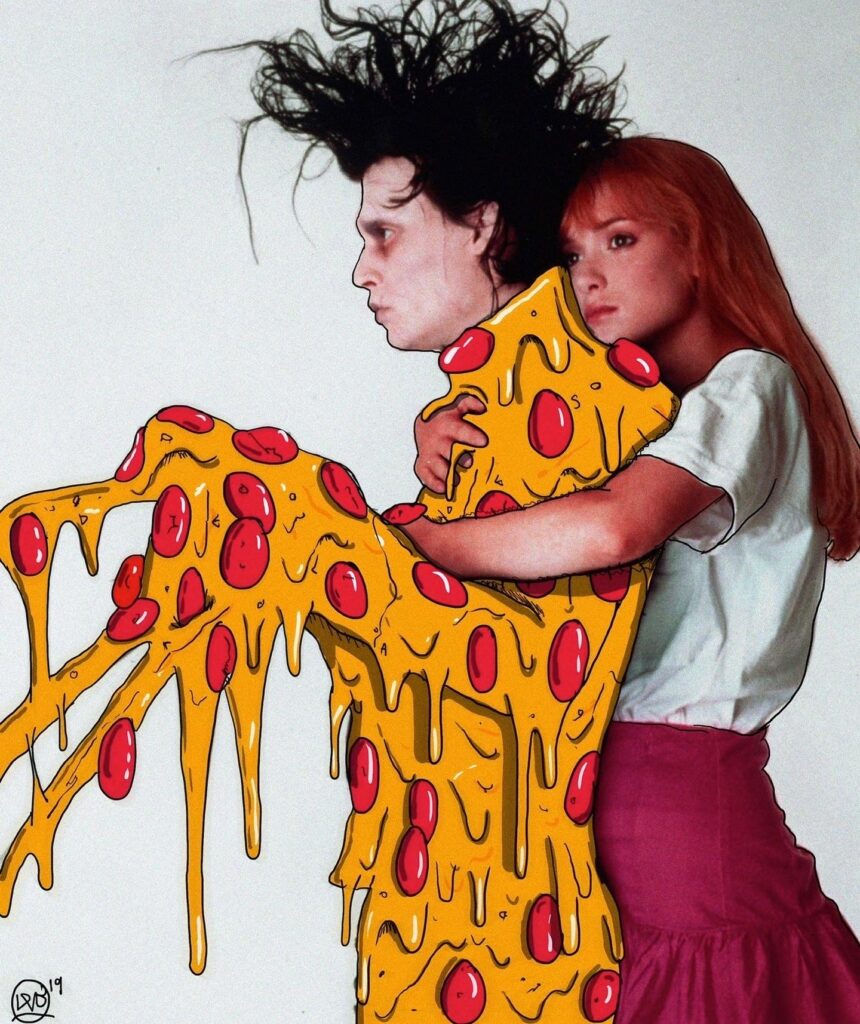
Classic heart-throbbing movie scenes suddenly take on an interesting spin with all the characters becoming nightmare-born monsters so unlike the unblemished movie stars. Staring at ideal bodies and perfect, spotless faces can impose a truly unhealthy and unrealistic image on a vulnerable mind. To counteract this, perhaps we should all look at some grime art every once in a while?
Examples of Grime Art
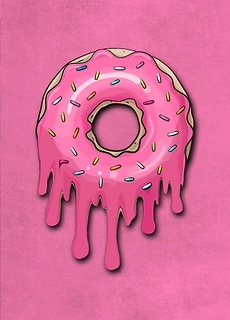
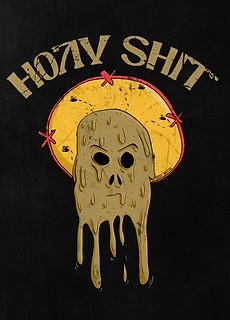
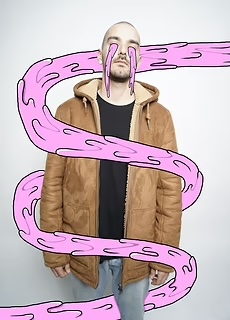
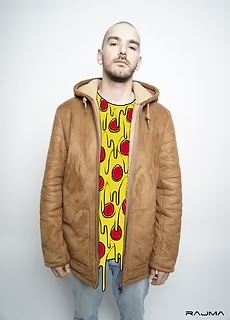
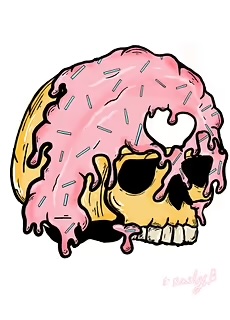
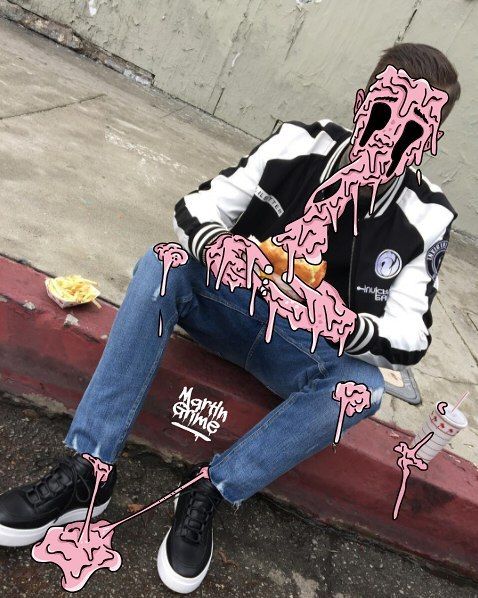
Grime art can be applied to everything from celebrity portraits and movie characters to surreal original creations. While the style is known for its melting faces, distorted features, and vibrant colors, artists continue to find new ways to reinterpret the aesthetic. The examples below showcase some of the visual traits that have become synonymous with grime art.
Bring Bold Art Styles to Your Walls
Grime art proves that some of the most memorable visual styles come from artists willing to experiment. By blending humor, horror, surrealism, and digital creativity, the movement transformed everyday portraits into something completely unexpected.
If you’re drawn to unconventional artwork, Displate’s collection features a wide range of posters inspired by surreal art, psychedelic designs, trippy art, and imaginative digital creations. Whether you prefer surrealism, abstract visuals, or pieces that challenge expectations, there’s no shortage of unique styles to explore.
Because great art doesn’t always play by the rules.
