
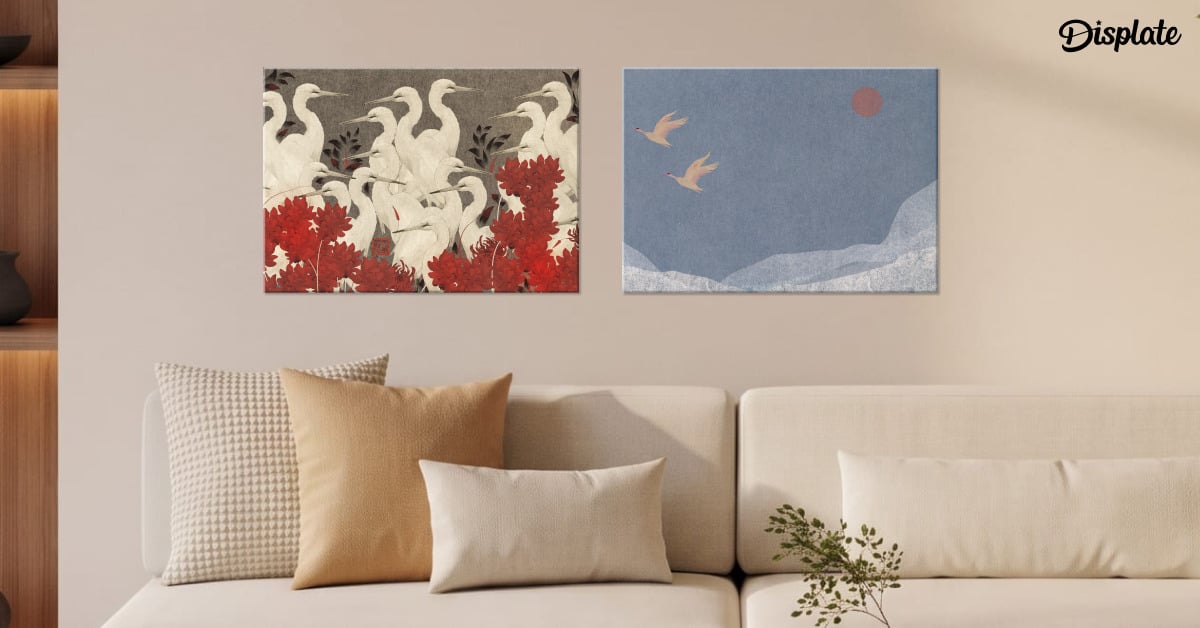
Craving home design that quietens your mind rather than clutters it?
Want a living room that feels like the perfect blend of a tranquil therapist’s office and a cozy coffee shop?
Oh, do we have the decor style for you? Allow us to introduce Japandi.
Nestled at the blissful intersection of Japanese minimalism and Scandinavian warmth, Japandi design offers a remedy for cluttered modern living in the form of fur throws, clean countertops, and tastefully spartan wall art.
Consider Japandi maximalism’s older, cooler cousin who always practices self-care, definitely flosses, owns enviably expensive scented candles, and gets a full eight hours every night.
Read on to learn what makes Japandi so popular and how you can easily recreate a sense of serenity in your home with Japandi wall art.
What is Japandi Design?
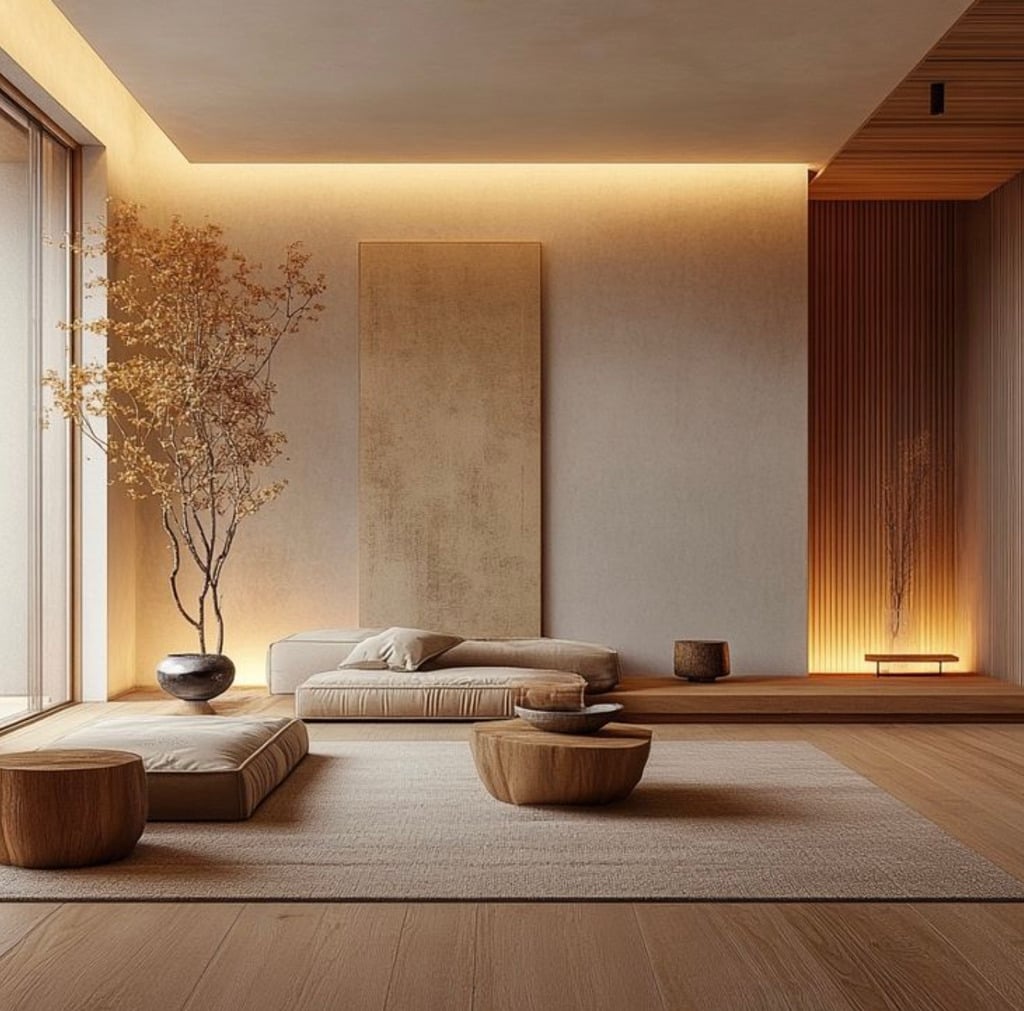
Japandi neatly marries Japanese minimalist design principles like wabi-sabi and negative space with Scandinavian hygge basics such as warmth and coziness.
Japandi is as much a design and wall art style as it is a philosophy, leaning heavily on slow living, self-care, and mindfulness.
Homes that are designed in a Japandi style exude a sense of calm and spaciousness while still retaining an inviting warmth – and that’s a tricky balance to master.
Done right, Japandi design turns down the noise in your home, encouraging you to slow down, rest up, and reconnect with a simpler, more natural way of living.
Japanese Minimalist Design
The first half of Japandi style draws from the minimalism and restraint of Japanese interiors. Furniture is functional and simple; wall art is neutral and often inspired by nature; and empty space takes priority to allow freedom of movement and reduce clutter.
Cozy Scandinavian Interiors
Japandi’s other influence is Scandinavian design – most notably its principles of simplicity, neutral palettes, warm fabrics and textures, and natural materials. Scandi design also brings the “less is more” approach, along with a deep yearning for chunky knit blankets and fluffy bed throws.
Melting those two iconic styles together in what’s known as an ‘East meets West’ fusion creates a unique, inviting design style that’s been captivating homeowners for decades now.
The Core Principles of Japandi Design
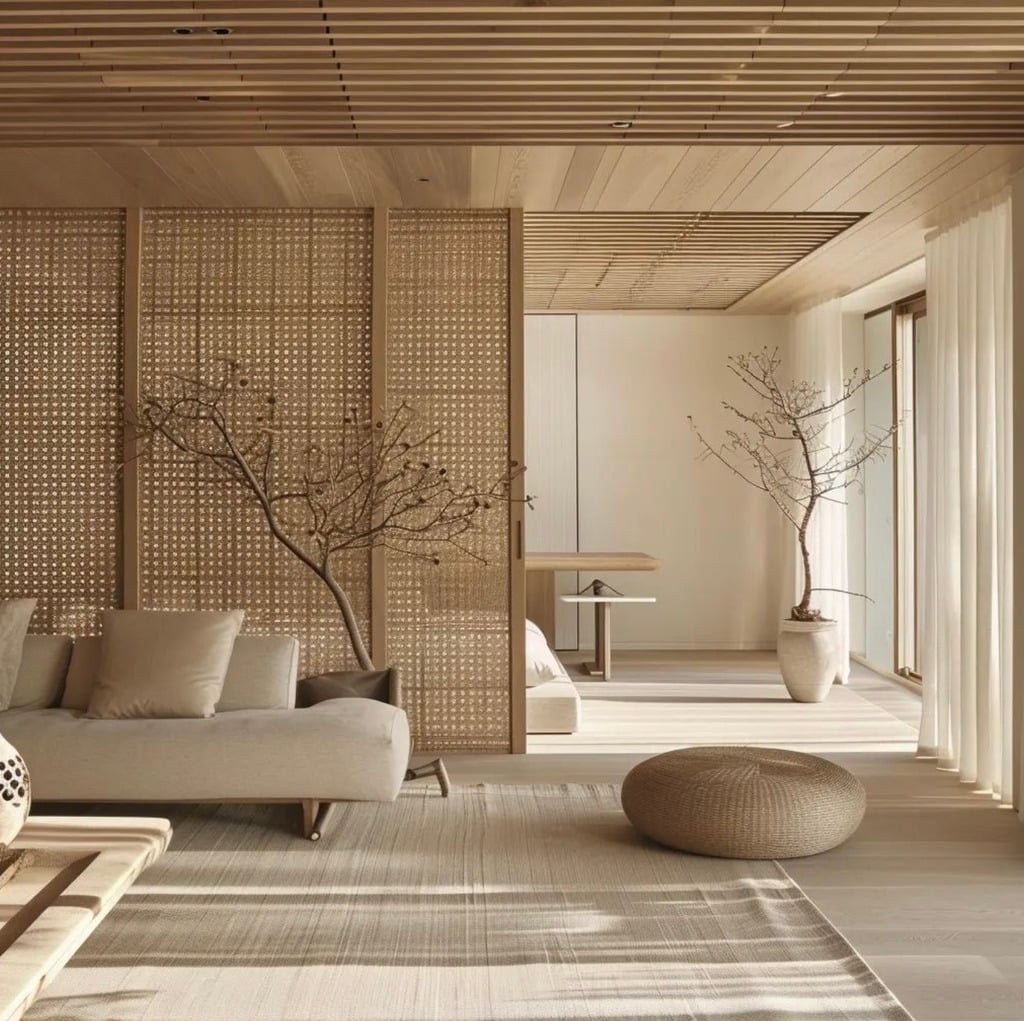
If you’re only just arriving at the Japandi party, here’s a quick rundown of its core aspects. Follow these, and you’ll be channeling an IKEA-wabi-sabi combo in all the right ways in no time at all.
1. Simplicity
Kiss your trinkets goodbye! Japandi has no time for tchotchkes and knickknacks gathering dust on shelves for all to see. In fact, you can kiss any non-essential items goodbye as you clear out color, pattern, and ornamental items from your living room.
If you’re really committed to the Japandi way, select a few meaningful items to display (like ceramic vases, lamps, and select pieces of wall art) and hide the rest in a cupboard. Your mind will thank you later.
2. Hygge
Now that you’ve relieved your home of half its clutter, you may be thinking that things look a little too simple – spartan even. But don’t worry, that’s where Hygge comes in (actually pronounced hoo-gah if you want to impress your friends).
Hygge makes sure simple spaces don’t feel too bleak or empty. Hygge is a Danish and Norwegian cultural concept that involves creating warm, cozy spaces to enjoy life’s good things with people you love.
Translated into design, this looks like low mood lighting, flickering candles, sofas you can sink into, and wellbeing-inspired wall art.
3. Clean Lines
Funky patterns, color drenching, and statement furniture have no place in Japandi land. It’s all about organic, natural shapes and clean lines. By this, we mean: leave the ornate details at the door and consider functionality and the bare necessities instead.
Soft edges, clean silhouettes, simple side tables, and sofas work with a neutral color palette and wall art to create a common goal: an uncluttered, cozy space that isn’t busy.
4. Craftsmanship
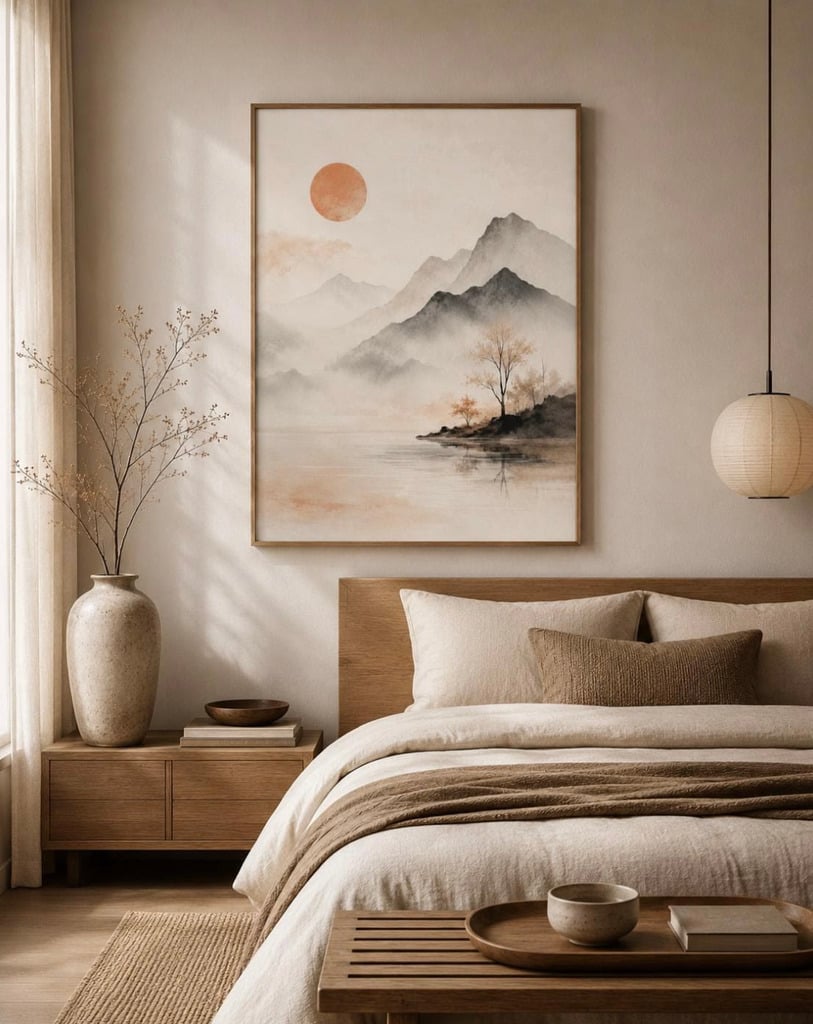
In both Scandinavian and Japanese design, there is a deep-seated respect for quality craftsmanship. This shared reverence serves as a foundational bridge between the cultures’ design philosophies, translating into carefully chosen luxury items, locally sourced pieces, and intentionally selected pieces.
At Displate, craftsmanship and intentionality are central to our creation process. We say that every Displate consists of three main ingredients: 51% excellent art, 46% highly sophisticated tech, and 3% magic. Our designs are created by passionate artists all over the world, ready for dedicated collectors to curate their walls with what matters most to them.
5. Wabi-sabi
From Japan, we borrow the concept of ‘wabi-sabi’, which is all about finding beauty in imperfection and transience. Think of a beautifully aged wooden bowl or a handmade ceramic mug that isn’t perfectly symmetrical.
If you were thinking Japandi meant perfectly curated shelves and polished furniture, you can exhale now.
Wabi-sabi embraces asymmetry, chipped crockery, and aging, well-used items like bowls. In interior design, this looks like exposed beams or brick (there’s no need for a perfect plaster finish) or wall art that’s not totally symmetrical.
Sometimes those points of imperfection can make all the difference – even if it’s just a reminder to go easy on yourself and lower those standards (just a smidge).
6. Connection to Nature
One of the more subtle – but effective – elements of Japandi design is its connection to nature.
Organic lines, houseplants, and textures like bamboo, stone, and wicker are used repeatedly to bring the outdoors indoors, while wall art often features designs inspired by flora and fauna. Even if you’re not necessarily the outdoor type, having a home space that channels all things natural can do wonders for your ability to unwind.
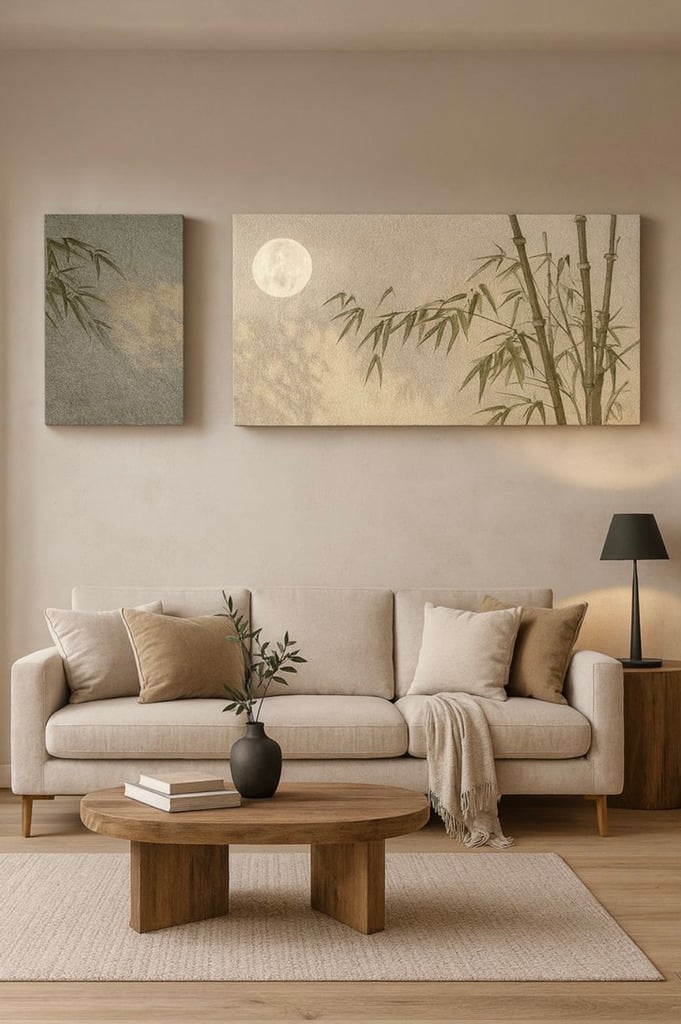
7. Neutral, Muted, Earthy Color Palettes
Underpinning Japandi’s sophisticated serenity and allure is a strict color scheme that ties everything together and offers muted guidelines to work within.
On Wednesdays we do not wear pink. Nor on Thursdays or Fridays, for that matter. This is Japandi. So, we wear beige, slate, cream, oatmeal, or very, very occasionally sage.
When picking out colors for your new Japandi wonderland, think muted and dialed down. Duller pastels are exactly the vibe; neon and bold statement reds are not. Foster warmth with off-whites; add depth with charcoals and slates, and then offset the room with a light sage, gentle blush, or pale orange if it calls for it.
8. ‘Ma’ – Negative Space
Lastly, a Japandi space wouldn’t be complete without a bit of … the void. Seriously, sometimes the finishing touch to a Japandi room is nothing at all. “Ma” is a Japanese concept that loosely translates to “negative space” or “gap”.
So, if you’ve created a Japandi space and are wondering, “What can I add?”- the philosophy dictates that the answer could be “nothing”. Deep.
Adding Japandi Wall Art To Your Space
Now that you know all that goes into creating a Japandi space, how about adding accents to the walls that match the look and feel?
Sure, the Japandi philosophy is definitely “less is more.” But that doesn’t have to mean a complete lack of personality or absence of decor. And that’s lucky because decor happens to be our specialty.
What To Look for in Japandi Wall Art?
When choosing pieces of art for your walls, look for pieces that mimic the core principles of Japandi design. That means neutral colors, nature themes, organic shapes, cozy styles, and refined visuals. If it’s posters you’re looking for, Displate’s metal posters don’t come with a bulky frame since they’re clean-cut and magnetic. That’s one less decor choice you have to worry about.
Find Japandi Wall Art At Displate
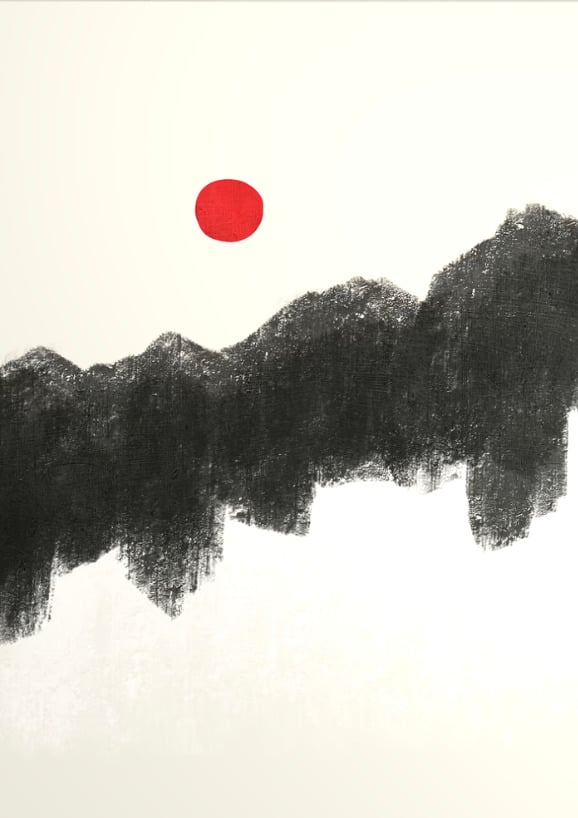
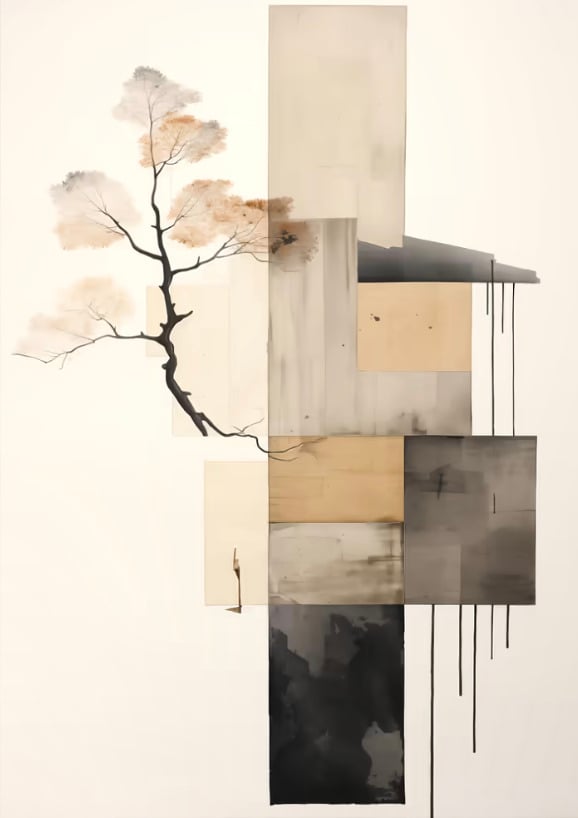
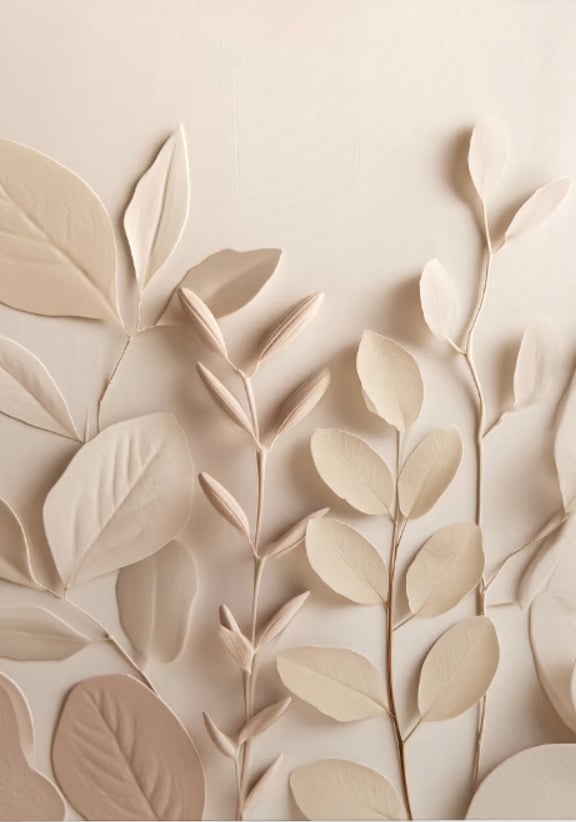
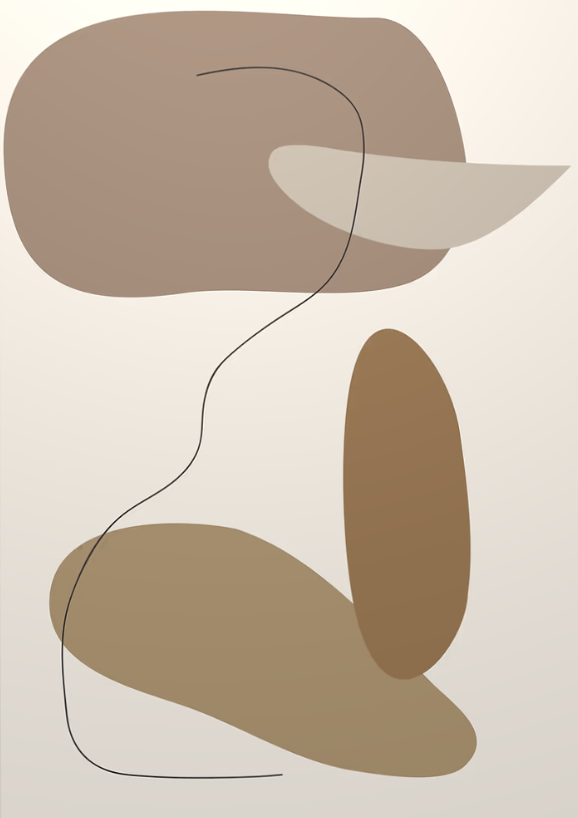
Here are some examples of wall art that screams Japandi – well, perhaps whispers it. Note the muted colors, simple line art, and hand-designed craftsmanship.
We have an impressive range of Scandi-style and Japanese art prints, alongside nature scenes, abstract line art, and simple watercolor effect posters.
Whatever your style, we’re pretty sure there’s a Japandi-style wall art equivalent if you browse hard enough.
Browse Japandi-Inspired Wall Art Collections Today
If you can’t bear to part with half your possessions and fully embrace the Japandi minimalist lifestyle, channeling the style through wall art can be a happy medium.
Sure, the living room might remain a crowded treasure trove of books and trinkets, but a moment of peace reflected in your posters is a win regardless.
Browse our wide range of Japandi-inspired wall art collections today, from nature and landscapes to anime (yes, pastel, muted anime posters do exist!).
And, for the latest decor trends distilled into handy guides, keep up with the Displate blog.
