
Geralt had urgent work to do.
Ciri was missing. The Wild Hunt was closing in. Entire kingdoms were wobbling on the edge of disaster.
Unfortunately, the local innkeeper had a deck of cards.
For millions of The Witcher 3 players, GWENT became an unexpected obsession. One round turned into five, every merchant became a potential opponent, and hunting down rare cards somehow felt more pressing than preventing the apocalypse.
But what began as a minigame in a sprawling RPG soon took on a life of its own. In 2018, GWENT became a standalone multiplayer card game, trading the taverns of the Continent for a competitive scene of its own.
Over the years, it grew and changed. Its rules evolved, its card pool expanded, and its identity gradually separated from the game that gave birth to it.
Not bad for something Geralt was supposedly doing on his lunch break.
The Side Quest That Ate the Main Quest
When The Witcher 3: Wild Hunt launched in 2015, GWENT was built as a relatively simple collectible minigame.
Players assembled decks from factions including the Northern Realms, Nilfgaard, Scoia’tael, and Monsters. Battles unfolded across three rounds, with victory going to whoever won two.
Simple rules. Immediate consequences. One extremely smug merchant who somehow owned three spy cards.
The real magic happened outside the matches.
Building a strong deck meant traveling across the Continent, challenging innkeepers, completing quests, and buying cards from vendors who were apparently happy to interrupt normal business for a high-stakes tactical showdown.
Every new settlement came with one important question:
Does anyone here sell The Witcher 3 GWENT cards?
Tracking down The Witcher 3 GWENT card locations became a game within the game, complete with checklists, guides, and the kind of focus usually reserved for royal succession crises.
Players made checklists, argued over the best factions, and treated the “Collect ’Em All” quest as though civilization depended on it.
Ciri could wait.
That shopkeeper in Velen might have Villentretenmerth.
When GWENT Escaped the Tavern
Players wanted more, and CD PROJEKT RED noticed.
A closed beta for GWENT: The Witcher Card Game began in 2016, followed by a public beta in May 2017. What had been designed as an approachable RPG diversion was now becoming a full multiplayer card game.
The standalone version expanded its factions, introduced leader abilities, added more complex card interactions, and created enough tactical depth to support ranked competition.
Familiar ideas remained: three rounds, limited resources, strategic passing, but the larger card pool gave players much more room to experiment with their GWENT decks.
Animated premium cards brought their artwork to life, giving players another reason to stare at the board instead of making a decision.
GWENT had escaped the tavern so successfully that it was now building an esport.
The official GWENT Masters circuit launched in 2017, giving top players a structured route through Opens, Challengers, qualifiers, and World Masters events. The series eventually ran for five seasons before concluding in 2023.
A minigame about beating merchants had become something people trained for professionally.
The merchants must have been devastated.
Homecoming Rebuilt the Game
As GWENT’s beta grew, so did the complexity. New mechanics piled up, existing systems evolved, and the challenge became preserving the clarity that made the original minigame work so well.
CD PROJEKT RED’s answer was Homecoming, a six-month overhaul announced in 2018.
Most games release an update.
GWENT disappeared into Kaer Morhen, came back with a beard, and announced it had reconsidered everything.
Homecoming cut the battlefield from three unit rows to two, redesigned the board, overhauled leaders and deck building, and gave the game a darker, more physical look.
The overhaul arrived with GWENT’s full PC release in October 2018, followed by consoles later that year.
GWENT could have settled for a few tweaks. Instead, it rebuilt itself.
GWENT Built Its Own Witcher Universe
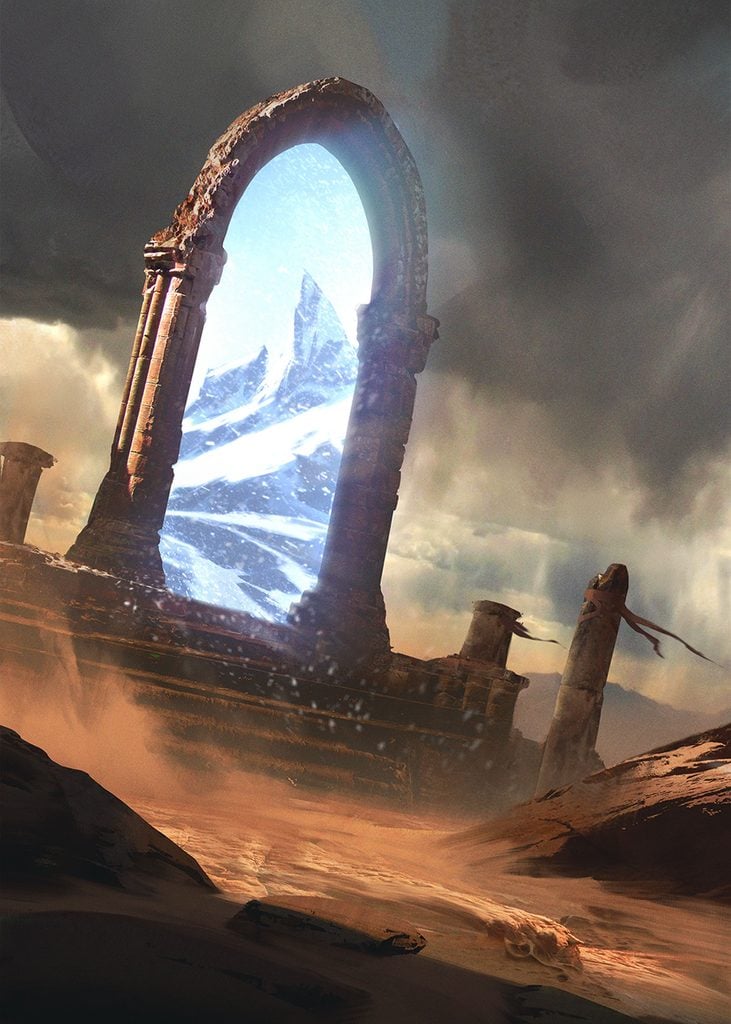
By the time GWENT officially launched, it was no longer merely borrowing characters and artwork from The Witcher.
It was creating its own corner of the universe.
Thronebreaker: The Witcher Tales launched alongside the PC version of GWENT in 2018. The single-player RPG followed Queen Meve through a new Witcher story, combining exploration, difficult decisions, army management, and custom card battles.
At this point, the family tree was getting weird.
A minigame inside an RPG had become a standalone card game, which was now powering an RPG of its own.
Later, GWENT: Rogue Mage pushed the mechanics into a roguelike format, while the main game continued expanding its factions, archetypes, and collection of cards.
For some fans, GWENT became another way to explore the Continent.
For others, it became a way to spend 40 minutes arranging a perfect combination before an opponent removed the key card immediately.
Both are valid.
The End of New Cards Wasn’t the End of GWENT
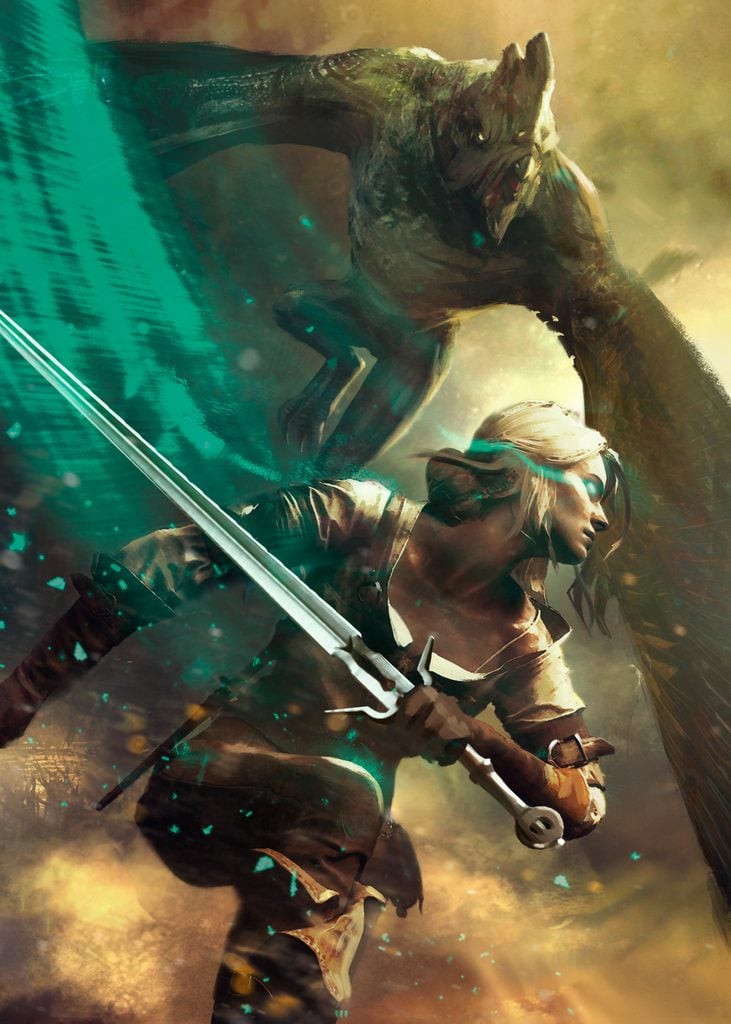
In October 2023, GWENT received its final developer-created content update and entered a new phase called GWENTfinity.
Rather than adding more sets, CD PROJEKT RED introduced the Balance Council. Eligible players could now vote each month on cards that should become stronger, weaker, cheaper, or more expensive.
The developers had stopped creating new GWENT cards, but one of the game’s most important levers was now in the hands of its community.
The card pool stopped expanding, but its balance continued shifting as players argued over which archetypes needed help and which deserved to be marched directly into a swamp.
After years of developer-led evolution, GWENT’s next phase belonged partly to the people still playing it.
The community helped turn the original minigame into something larger. Now it was helping shape the game’s next phase.
From a Fictional Card Game to a Real One
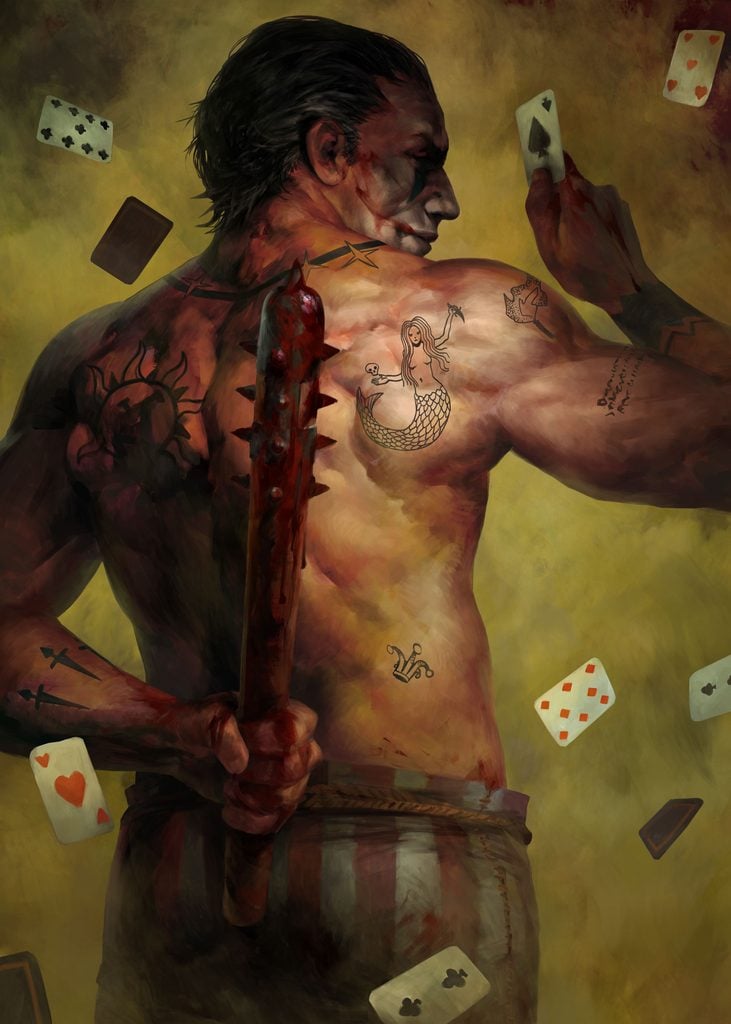
In 2025, GWENT: The Legendary Card Game brought the Witcher 3 version of GWENT to physical tables.
Officially licensed by CD PROJEKT RED, designed by No Loading Games, and published by Hachette Boardgames, the official release included five factions and hundreds of cards inspired by the original minigame.
A fictional tabletop game had become a digital competitive game, then crossed back into the real world.
The physical version keeps the more accessible Witcher 3 rules rather than trying to reproduce every card, keyword, and balance change from the standalone release.
Probably wise.
Recreating the entire digital game would require several boxes, an administrative assistant, and a much larger table.
Ten years after players first discovered GWENT in a fictional tavern, they could finally sit across from a real opponent and watch a friendship end over Scorch.
What Comes Next for GWENT?
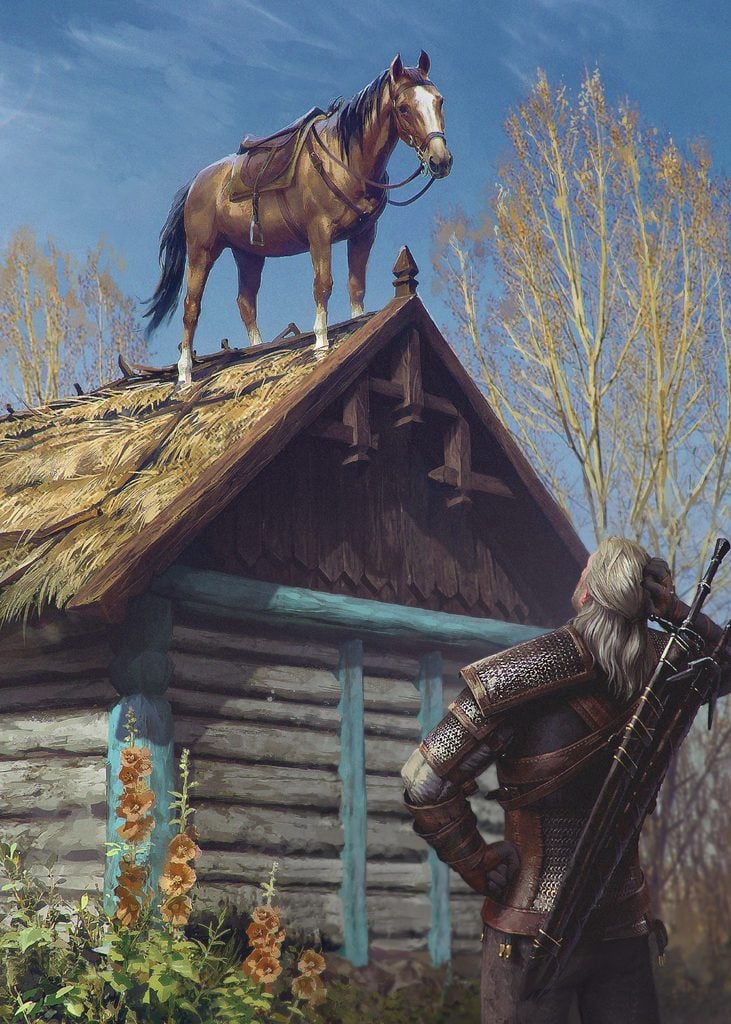
The Witcher universe has another reason to draw players back in. The Witcher 3: Wild Hunt – Remastered launched on September 29, 2026, bringing visual, gameplay, and performance improvements to Geralt’s adventure. Meanwhile, Songs of the Past, a new paid expansion co-developed by CD PROJEKT RED and Fool’s Theory, is scheduled for 2027. Its first look, revealed at Gamescom in August, introduced Letten, a seemingly idyllic region hiding a darker secret.
As for The Witcher 4, Ciri will take over as the main protagonist, and GWENT is set to return in the next chapter of the saga, although exactly how it will work in the new adventure remains to be seen.
Whatever happens next, GWENT has already achieved something most minigames never do: it outgrew its original game and built a life of its own.
Ten Years Later, GWENT Is Still on the Table
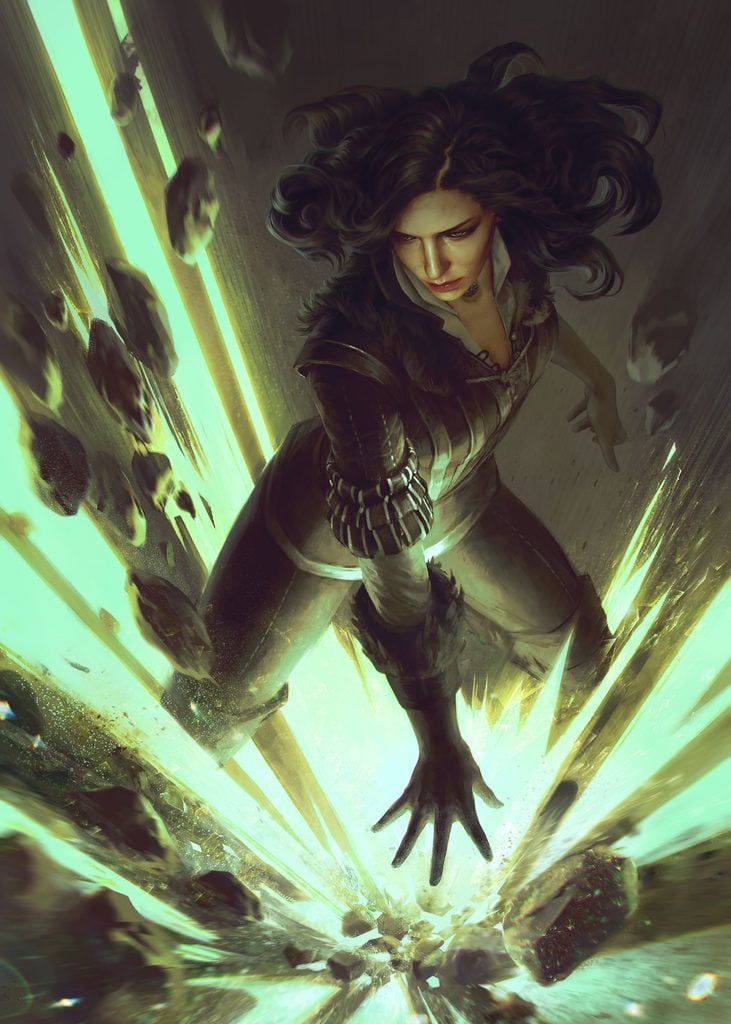
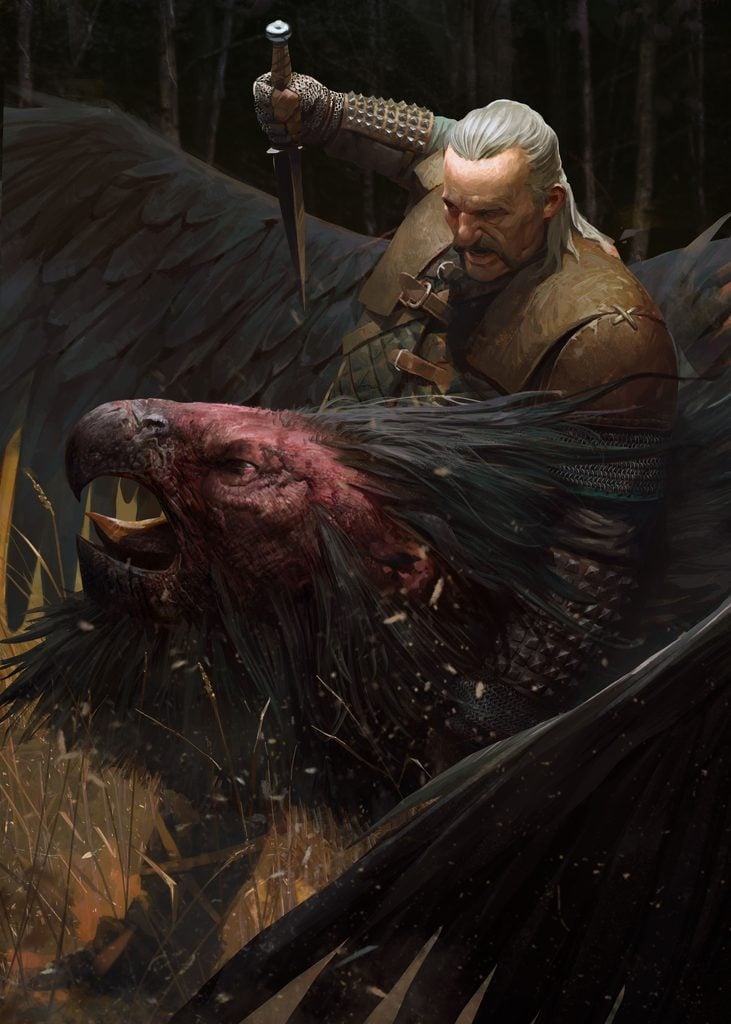
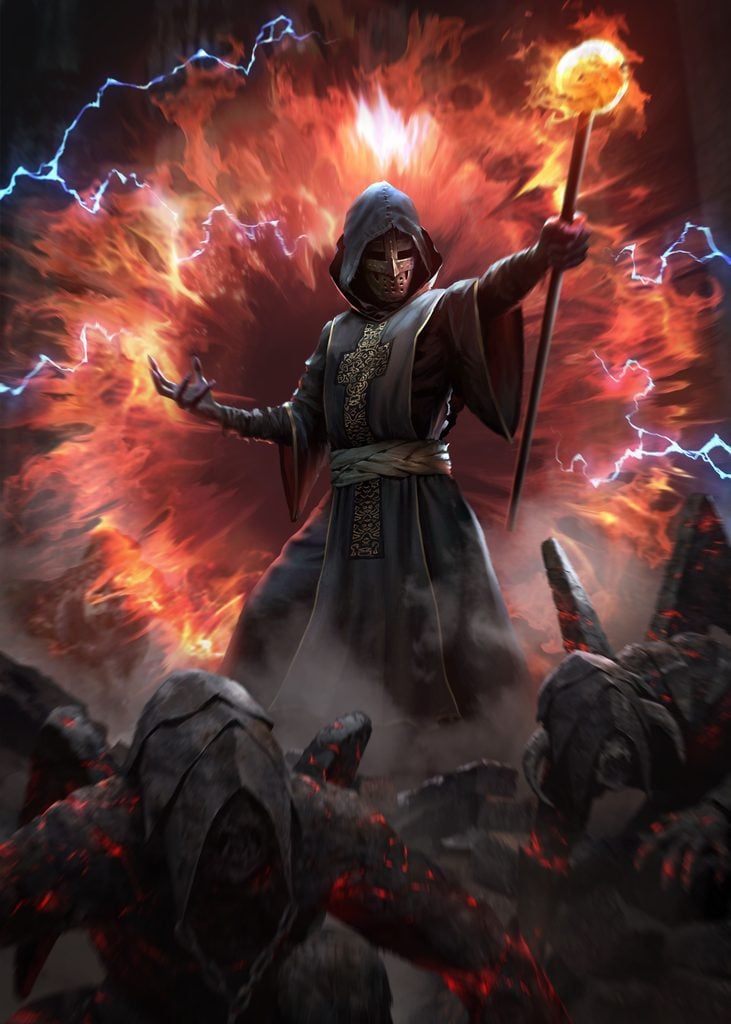
Through every version, the same basic idea survived: a limited hand, three rounds, and the constant temptation to play one more card than you should.
Ten years after Geralt first challenged an innkeeper, GWENT has become a standalone game, a community-shaped strategy title, and something fans can play around a real table.
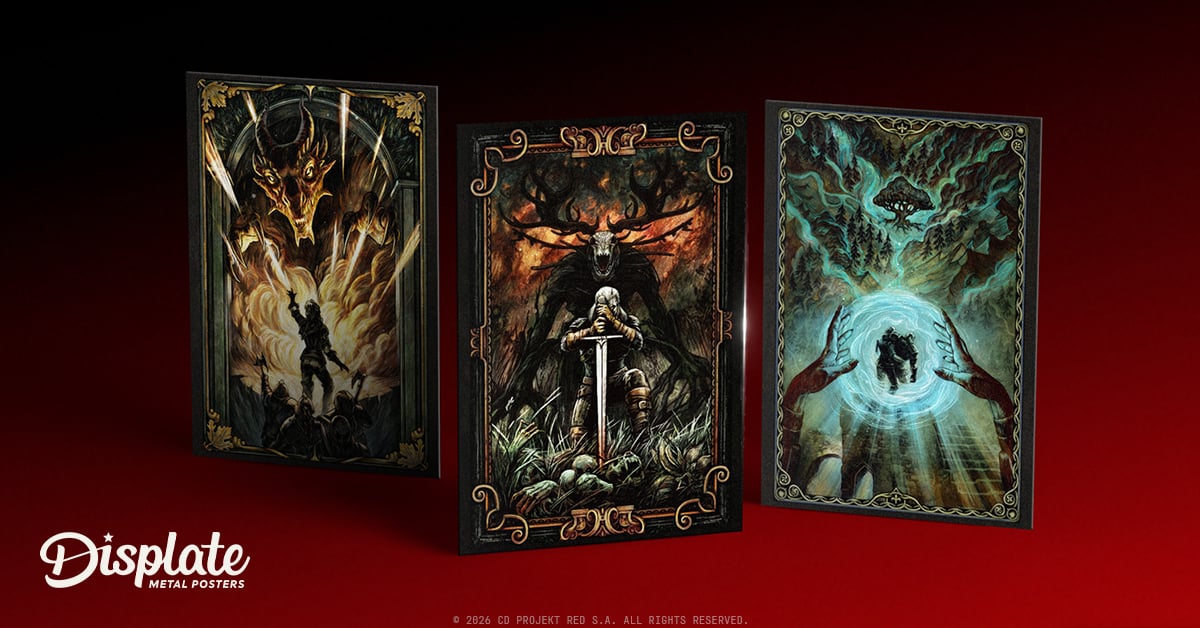
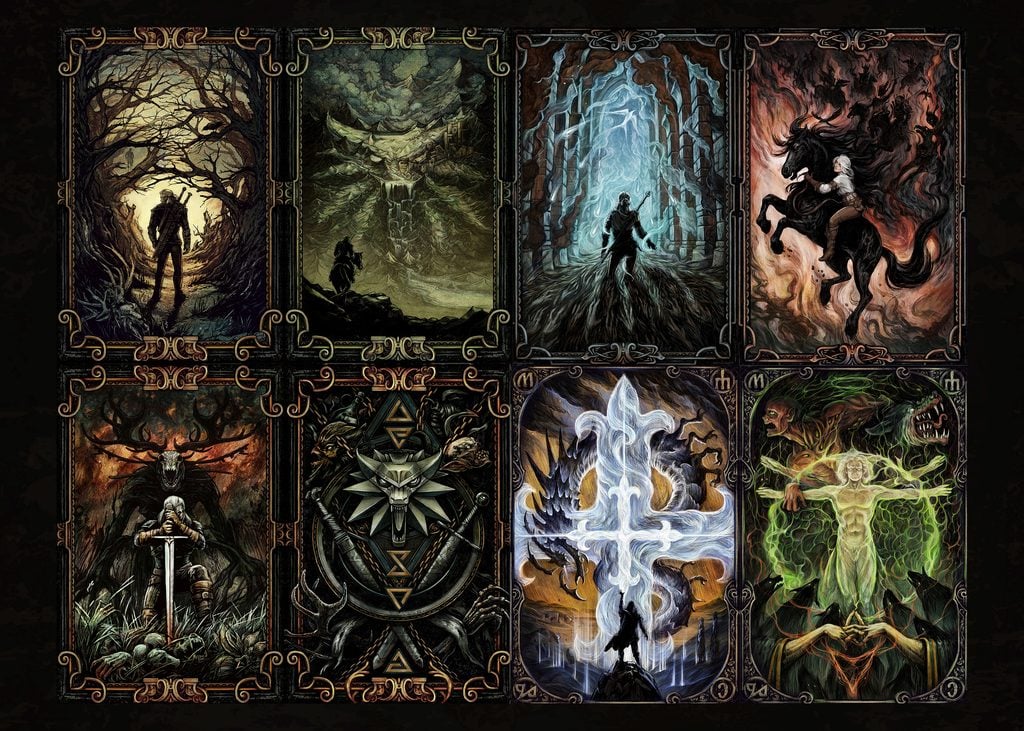
Displate can handle the walls. Explore its officially licensed Witcher and GWENT metal posters, featuring Geralt, Ciri, faction symbols, monsters, and enough Continent-inspired art to make every match feel slightly more dramatic.
Because if you’re going to lose to Nilfgaard, you may as well do it somewhere that looks magnificent.
