
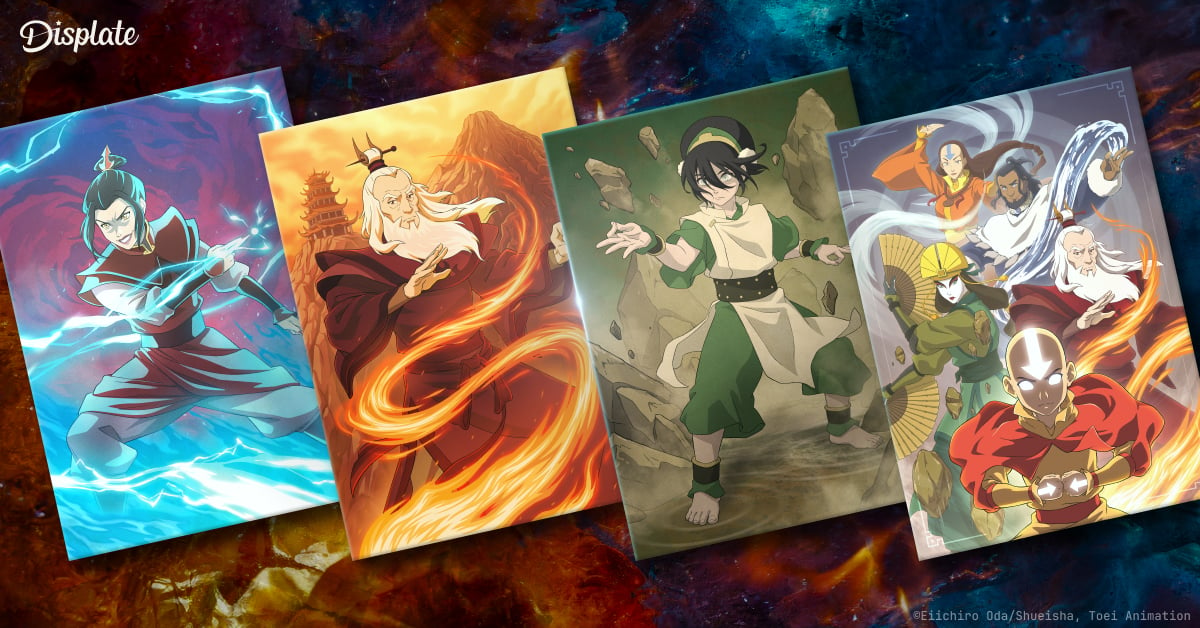
The secret to Avatar: The Last Airbender‘s bending was simple: it felt like a real martial art.
Every element in the show — water, earth, fire, and air — moves differently because each bending style draws from a different Chinese fighting tradition, with the choreography developed under Sifu Kisu of the Harmonious Fist Chinese Athletic Association.
That decision alone helped give the show a distinctive physicality that still draws martial arts fans today. It’s why fans are still obsessing over the small details of each bending style nearly two decades after the original series aired on Nickelodeon.
With the release of Avatar Aang: The Last Airbender on Paramount+ in July 2026, a whole new generation of viewers is discovering Team Avatar’s world for the first time.
So whether you’re here because you just watched the new animated movie or you’ve been a fan since the early days, here’s everything you need to know about the four bending types, the martial arts behind them, and what each one tells us about its nation.
Waterbending: The Power of Change
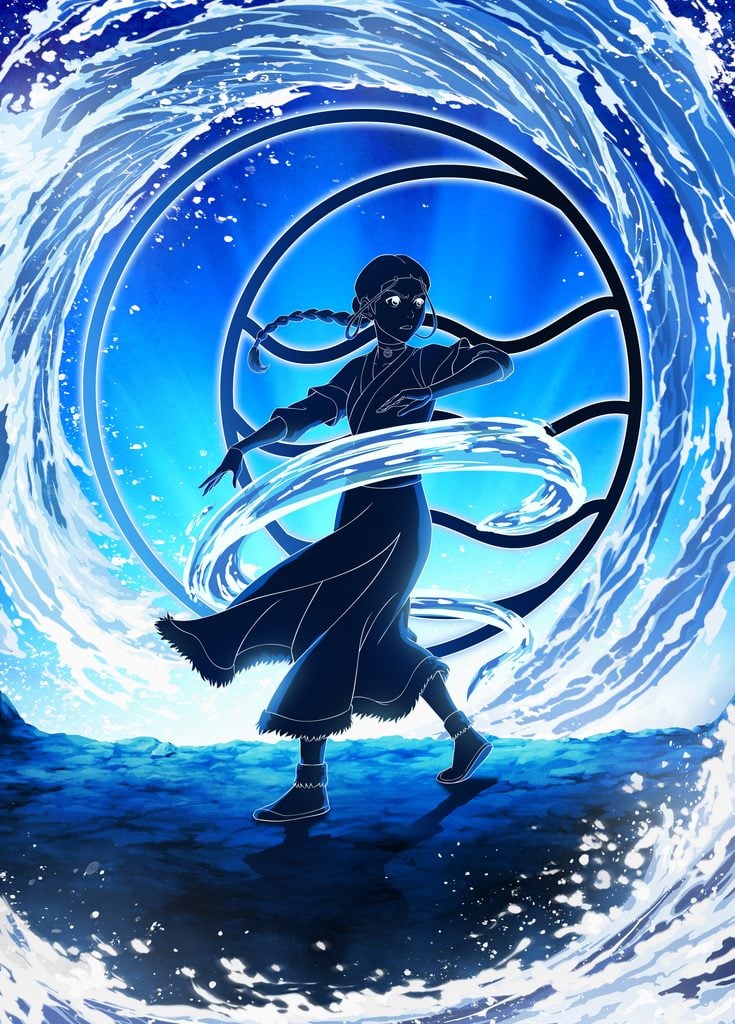
Waterbending draws from tai chi, and if you’ve ever watched someone practice tai chi in a park early in the morning, you’ll notice the connection immediately. The movements are slow and circular, almost meditative, and they don’t look like fighting at all until they suddenly are.
That contrast is the whole philosophy of waterbending. Tai chi is less about overpowering an opponent than it is about alignment, breathing, redirecting incoming force, and the principles of yin and yang.
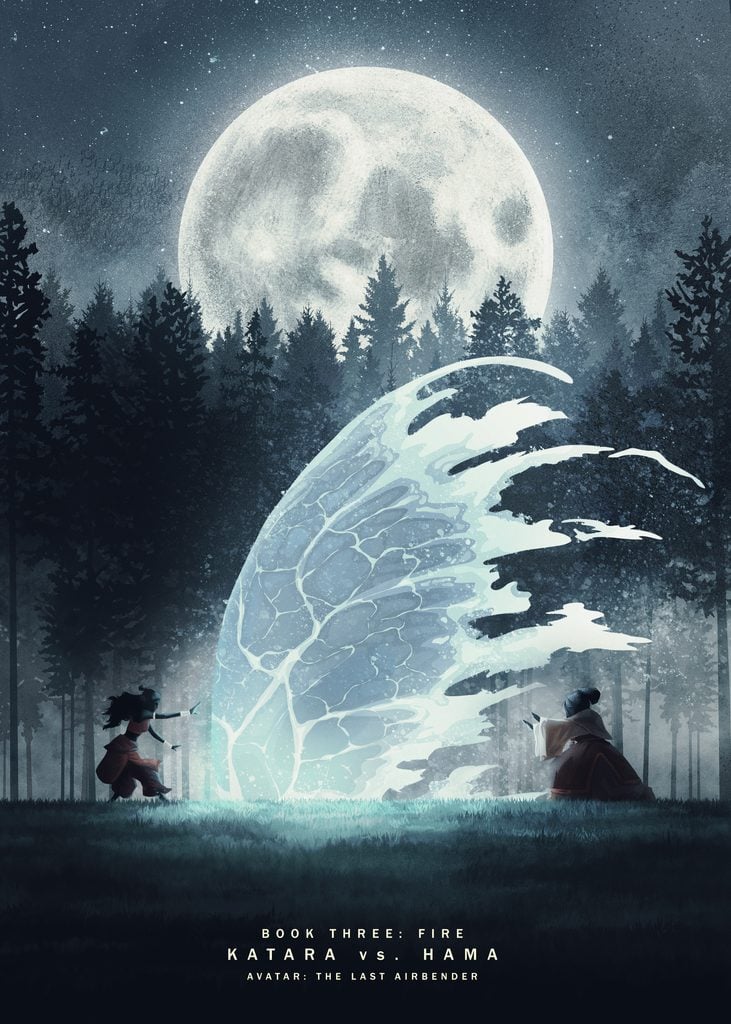
A tai chi practitioner absorbs an incoming attack and turns it back on itself — the pull and push of yin and yang — which is how Katara, a waterbender from the Southern Water Tribe, fights throughout the series.
The Water Tribes reflect that same adaptability in their culture. They survive in harsh environments by flowing around obstacles and adapting rather than trying to smash through them.
Katara’s journey from a struggling self-taught beginner to a master reflects what tai chi requires: patience and practice.
Earthbending: An Immovable Spirit
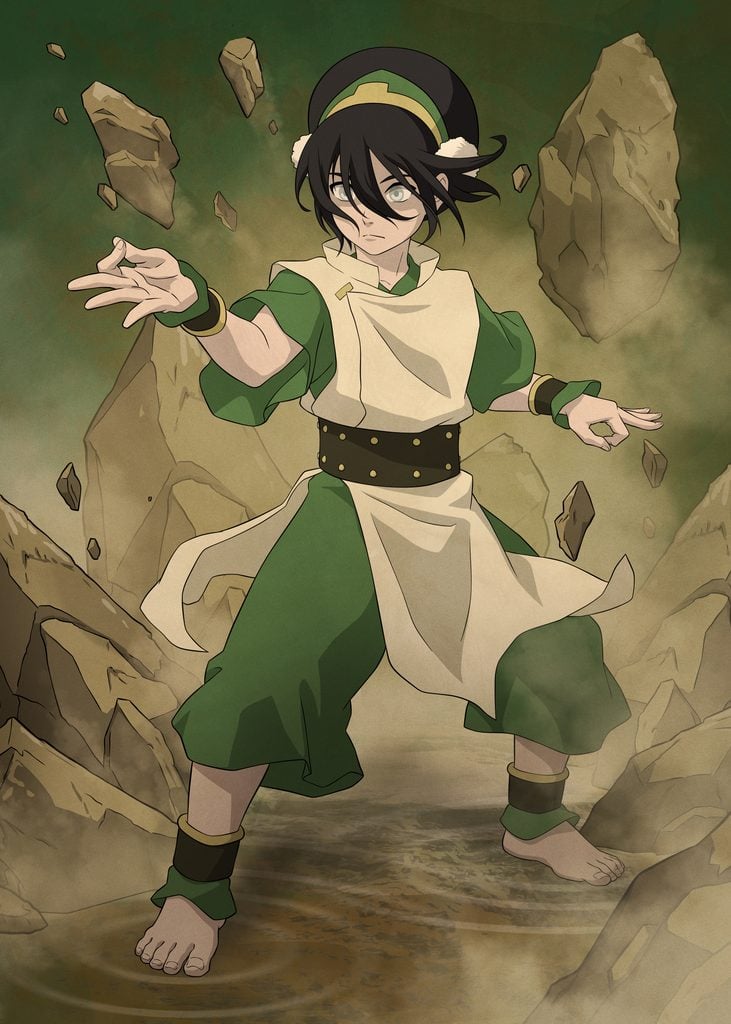
If waterbending is about going with the flow, earthbending is about planting your feet and refusing to move.
The style is based on Hung Gar (sometimes written as Hung Ga), a southern Chinese martial art and form of kung fu. Hung Gar is built on solid stances and bridges, with a low and deep connection to the ground to generate heavy, powerful strikes.
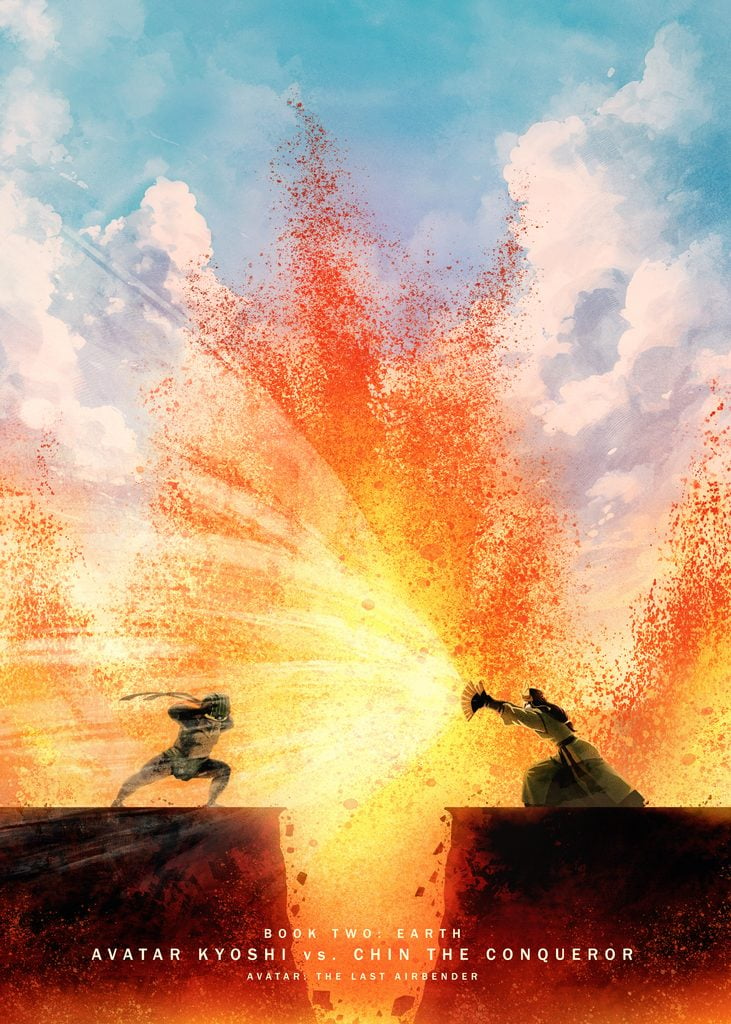
You can see it every time an earthbender fights in the show. They drop low, sink their weight into the earth, and use stomps and punches to send objects flying and deal damage. The movements look heavy and deliberate because Hung Gar movements are heavy and deliberate — practitioners historically trained by holding poses for hours at a time, building lower-body strength that stopped them from being easily moved or knocked over.
The Earth Kingdom fits Hung Gar. It’s the largest of the four nations; it’s stubborn, it endures, and it doesn’t change course easily. Ba Sing Se, the walled capital, literally means “impenetrable city.”
But one of the show’s greatest earthbenders is an exception to the rule. Toph Beifong’s fighting style draws instead on the movements of the blind badgermoles, which helped inspire her distinctive approach to earthbending. She also discovered metalbending during her journey.
Firebending: Aggression, Discipline, and Fire
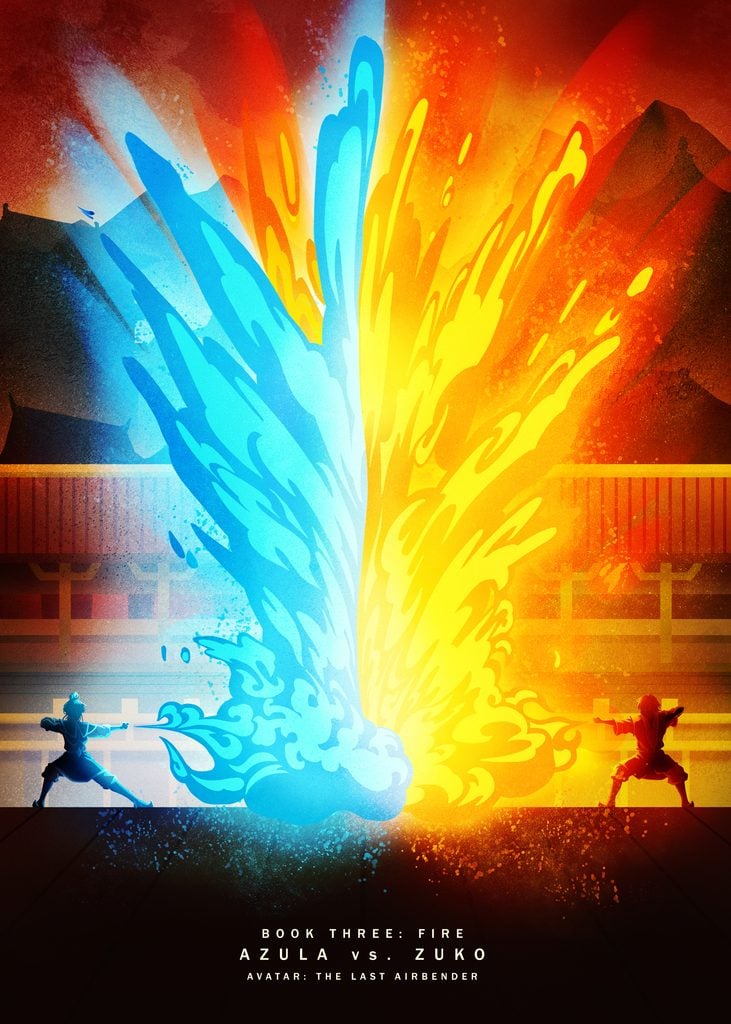
Firebending is inspired by Northern Shaolin kung fu, drawing on its explosive kicks, fast footwork, and continuous movement to allow fighters to shift between evasion and powerful strikes in an instant.
That duality runs through firebending and the Fire Nation itself. When a firebender is in control, their bending is precise and tactical. But when they lose it, the element turns wild and destructive.
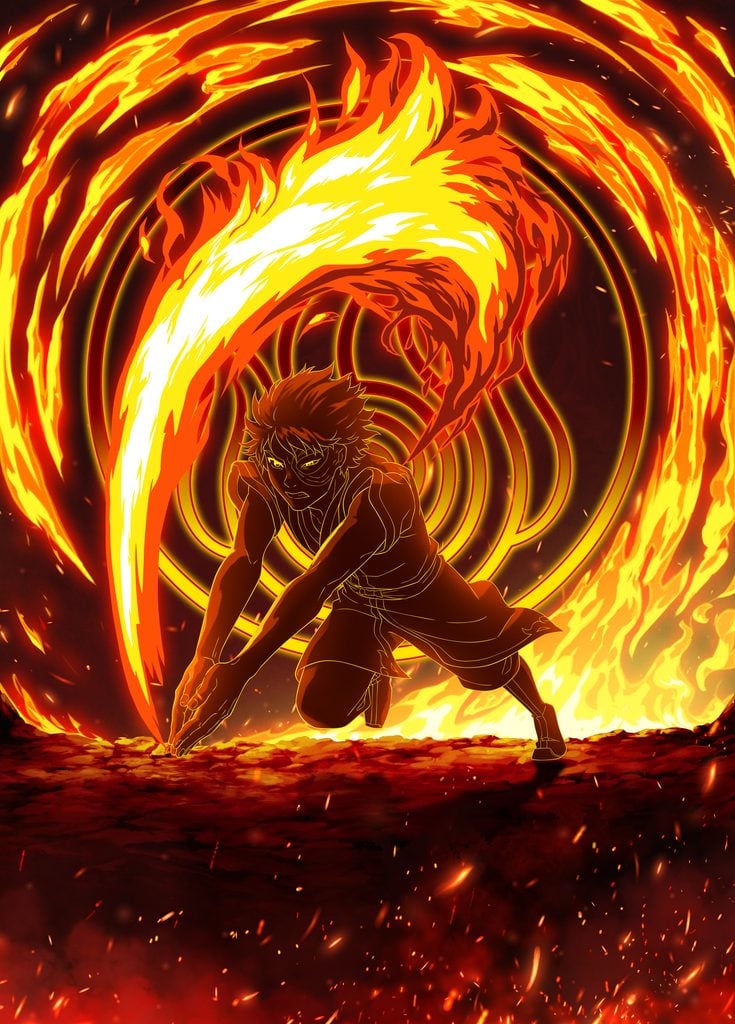
The connection between firebending and breath is something the show returns to again and again. Iroh teaches Zuko that firebending comes from the breath, not muscles, and that distinction ends up being one of the most important character arcs in the series. Fire isn’t meant to be just a weapon; it’s meant to represent life and energy, and the best firebenders understand that.
Airbending: The Art of Evasion
Airbending is based on baguazhang (also known as circle walking), which focuses on constant circular movement — practitioners walk in circles, change direction suddenly, and use spiraling palm techniques that make them difficult to pin down.
Airbending draws from baguazhang, a Chinese martial art known for its circular footwork, constant movement, and spiraling palm techniques.
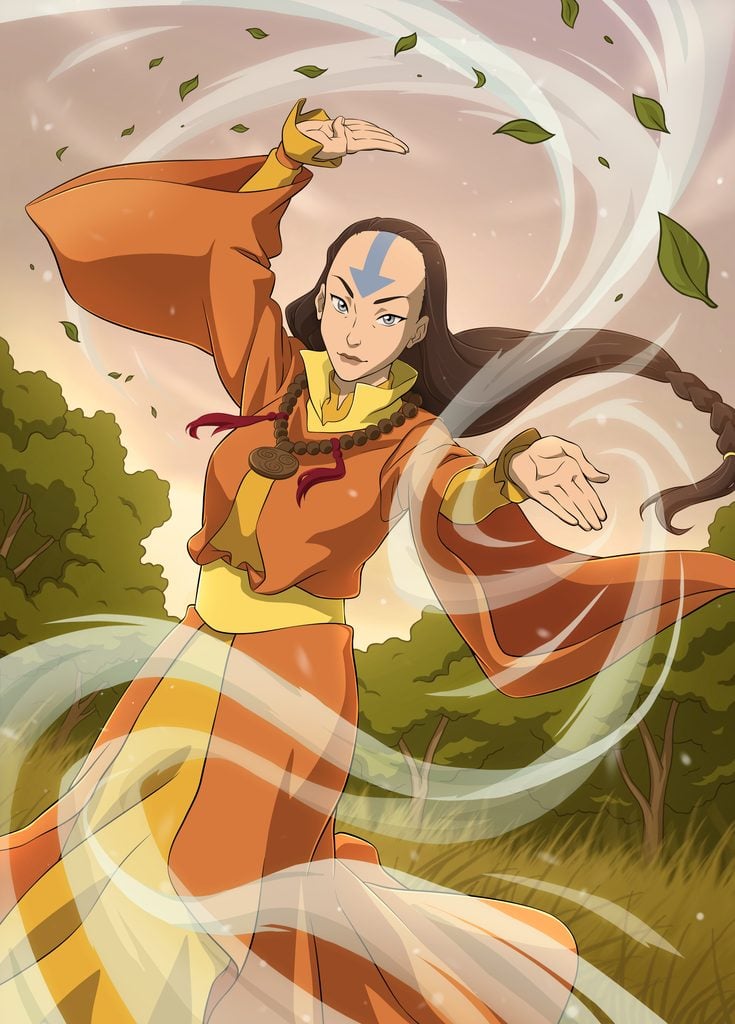
Watch Aang fight, and you’ll see it constantly. He circles opponents, sidesteps attacks, and redirects energy against them rather than meeting them head-on.
Early in the series, before he’s learned the other elements, Aang’s entire combat strategy is just “don’t be where the attack lands.” It looks evasive because it is: the style emphasizes becoming a moving target, using momentum and rotation to redirect attacks rather than relying on brute strength.
The Air Nomads’ culture maps onto this concept. They were are portrayed as a monastic, spiritual culture with few material attachments, and their fighting style reflects a people who would rather avoid conflict entirely.
Airbenders are also notable for using weapons alongside their bending, including staffs and fans.
Why Bending Still Resonates
The reason Avatar: The Last Airbender’s bending system still holds up after all these years comes down to that foundational decision to root each element in a real martial art. The fighting styles aren’t merely cosmetic — they carry the philosophy, history, and personality of each nation in every movement.
Bring the Energy of the Elements Into Your Room
Displate’s officially licensed Avatar: The Last Airbender collection features metal posters spanning the entire franchise, so you can swap between your favorite bender whenever the mood strikes. Browse our full Avatar: The Last Airbender collection and pick your favorite element.
